Last night, I headed down to the beautiful Bell House, in the Gowanus section of Brooklyn, for this month's Secret Science Club lecture, featuring Dr Christopher Mason, assistant professor of physiology & biophysics and computational biomedicine at Weill Cornell Medical College and member of the Yale Law School Information Society Project (but not, to my knowledge, a member of the Information Society). He was also named a member of the brilliant ten by Popular Science magazine. Dr Mason created quite a stir locally when the results of his NYC subway system DNA collection project were revealed earlier this year. Dr Mason gained overnight notoriety when he answered, in response to a query about germs in the subway, "You wouldn't want to lick all the poles, even though you'd probably be fine." Now THAT is one thousand varieties of awesome!
Dr Mason began his lecture by stating that he was obsessed with sequencing DNA, the molecular "recipe" present from an individual's first cells. He described development as a symphony of DNA, RNA, and proteins, a combination of processes that occur at all times.
The last ten years of microbiology have been revolutionary. To illustrate the growth of processing power in the field of genome tracking, Dr Mason brought up Moore's Law and noted that the reduction in the cost of gene sequencing has vastly outpaced the general pace of technological development. In the period from 2006-2007, the cost to sequence a genome was cut in half every five months. This reduction in cost has led to "participatory genomics", embodied by such websites as "Patients Like Me", a social media site on which individuals can share genetic data. Genome guided medicine has arrived- medicines can be tailored to a patient's genetic profile. Dr Mason noted that more data equals more power, and that organizations such as Genspace are bringing microbiology to a wider audience. One of Genspace's projects is a study of the microbiome of the ultra-polluted Gowanus Canal, mere blocks from the beautiful Bell House. Dr Mason mentioned two genes that have a great effect on the health of an individual possessing them: CCR5-Δ32 provides HIV resistance, mutations decreasing myostatin can result in larger muscle mass, and LRP5 regulates bone mass.
Dr Mason then shifted to the topic of DNA patents. Until recently, DNA, once removed from the body, could be patented. The patenting of a DNA sequence such as the BRCA1 and BRCA2 genes, which are implicated in the development of breast cancer, had the potential to stymie medicine based on these gene sequences. Dr Mason likened gene patenting to "patenting the word because and claiming to own every book". The challenge to gene patenting took place on 4/15/2013 and the Supreme Court invalidated patents on BRCA1 and BRCA2 on 6/13/2013- claims on isolated DNA were rejected. The litigation finally ended in 2015, so you now have a right to look at DNA. Dr Mason quipped, "Your genome is free!"
Dr Mason moved on to the topic of the microbiome. Every individual has more than one genome- there is the human genome and there is the genome of an individual's microbiome. Dr Mason illustrated this concept with a political analogy: "In a genetic democracy, you are the minority party." Every human being plays host to three to five pounds of bacteria, and most of the genes in your body are not "yours". Dr Mason cited the work of the Human Microbiome Project, joking "You are your bacteria." One's bacterial symbionts provide about 90% of the body's serotonin and about 50% of the body's dopamine. As Dr Mason put it, "The nearest pharmacy is your gut." The human microbiome produces about 700 "drugs". Lab studies have shown that (WARNING: NYT LINK, SAVE YOUR CLICKS) gut bacteria transplanted to fat mice can slim them.
An individual "inherits" its bacteria buddies from its mother in a Maternal Microbiome Transfer- during birth, a newborn picks up some of its mother's vaginal microbiome. Later on, this major transference is supplemented during nursing. Babies delivered through a Caesarian section tend to have a higher incidence of disease later in life. Dr Mason likened the microbiome to an anti-disease "force field", then he flashed a news report of Boeing's new "force field" patent (gotta love interdisciplinary nerdery!). He also noted that exposure to cockroaches is good for infants with asthma, and that Fecal Microbiota Transplants can harness "the power of poop" to help individuals with certain gastrointestinal problems (Dr Martin Blaser's two Secret Science Club lectures also dealt with this subject). He then cited OpenBiome as the go-to place for potential stool donors, with their "give a shit" campaign.
Dr Mason had a brief digression about bacteriophobia, quoting Bertrand Russell: "To conquer fear is the beginning of wisdom." He showed the audience a couple of photos of his adorable daughter and mentioned her habit of putting toys in her mouth. When he took her to daycare, he observed the kids all putting the same toys in their mouths and passing their microbiota around. He likened it to the whole group "making out". This was the inspiration for the big "swabbing campaign" which led to the Pathomap.
The Pathomap is a "molecular view of the city", the goal of the project, which began on 7/15/2013, was to "seek out new life, new civilizations". The project has taken place over six different seasons, with 4,342 different data points in a subway system that transports 5.5 million riders daily. Samples were swabbed, annotated, and sequenced. 50% of the DNA belonged to no known organism (though the genomes of cockroaches have not been sequenced yet). Dr Mason described the subway system as a "rainforest to explore" in an interview with the NY Times. DNA from bacteria, eukaryotes, viruses, and "ambiguous" sources) was collected. A headline in The Atlantic proclaimed: "New York City Subways Are Covered in Microscopic Pizza". Despite the discovery of minute traces of anthrax, bubonic plague causing Yersinia pestis, and dysentery-causing bacteria, 88% of the bacteria on the subway were "friendlies". Out of the deleterious 12%, the most common were Enterococcus and Shigella. Despite headlines about everything "from beetles to bubonic plague" being found, Dr Mason noted that there is zero evidence that anyone is at risk from the subway bacteria. He noted that anthrax is caused by a soil bacteria and that the "anthrax DNA" that was found could belong to an unknown relative, and there is evidence that low levels of the "bad" bacteria in the subway are okay.
The greatest genetic diversity in the subway system was found in the Bronx, with Brooklyn ranking second. Dr Mason wryly noted, "Nothing soft comes from the Bronx." High diversity is a good thing, there is a lesser risk of any one organism accumulating in a dangerous concentration. Comparing the subway system's microbiome to the human microbiome, Dr Mason stated that the subway "looks like skin" with regards to the diversity of its biome. He noted the various incidence of bacteria associated with kimchi, sauerkraut, and noted that species diversity varies by area of the city. Areas of the subway affected by superstorm Sandy were characterized by bacteria not present elsewhere, including bacteria normally associated with the Antarctic. The hourly dynamics in the subway system vary in the course of a day- the periodic cleaning of the system is like a "forest fire", followed by a repopulation of the cleaned area.
Dr Mason provided a "greatest hits" summary of his various statements to the press, including such side-splitters as "the best thing to do with newborns is roll them like sushi on the subway ground" and the bit about licking the subway poles. The man has a knack for a soundbite.
On the topic of the genetic diversity of the system, Dr Mason indicated that the presence of DNA doesn't necessarily indicate that the organism it reveals the presence of is alive. Certain bacteria can produce antibiotics in order to compete with other bacteria. Among eukaryote genes, chickpea and cucumber genes were commonly found. Cockroach genomes not being sequenced, the mighty roaches of New York have yet to take their rightful place, now they are lumped in with the "unknowns". The amount of human DNA found varied from day-to-day... Dr Mason admitted that no swabbing was done on the day of the No-Pants Subway Ride. The human DNA that was found corresponds with census data- zooming in on the different areas of the Pathomap, one can predict the census results due to DNA matches. Humanity's "molecular echo" rings throughout the Pathomap.
Noting that the bacterial "map" of the subway system looked like an ad for Uber or a full-body condom, Dr Mason tackled the question, "Should I ride the subway?" He said, "It's okay, you're all healthy." He concluded that we should ride the subway.
The final section of the talk concerned future projects. The NYC subway system, with 1.7 billion riders, is the seventh busiest subway system in the world. The swabbing and mapping of subways in other cities has already begun. Another upcoming project is a Hospital Microbiome Project. An integration of molecular and technical data would result in a "smart city" in which pathogenic microbe alerts could be issued. Nanopore sequencing, measuring DNA as it passes through pores, is making genome sequencing even more rapid, which led to a discussion of the need for BIG DATA storage, with Dr Mason musing about Yottabytes of genetic data. He also mentioned the upcoming studies of the Kelley twins to determine the effects of space travel on identical twins (obligatory shout-out to the mad genii of Riddled!)
In the Q&A, some bastard in the audience asked if there was an appreciable difference between the outdoor stations, exposed as they are to UV rays and winter cold, and the sheltered underground stations. Dr Mason indicated that there was almost the same level of genetic diversity, but the outdoor stations had more plant DNA than the underground stations. Other topics addressed included probiotic deodorant sprays (the bacteria prevent the "stink producing" bacteria from proliferating, but showering washes the probiotics off). Regarding DNA sequencing and genome-based medicine, Dr Mason urged us not to run away from genetic information, but to be wary of a loss of privacy. On the "Ebola question", Dr Mason noted that Ebola is an RNA virus, and no testing for it has occurred. MRSA was found at three spots in the system. Dr Mason briefly touched on DHS pathogen detectors, using air filtration, but the feds don't typically share data. One wag, noting that Dr Mason was a charismatic, entertaining speaker, asked if he would be giving Neil Degrasse Tyson a run for his money as the great populizer of science, to which Dr Mason responded that he had met with Dr Tyson and had "exchanged microbiomes" by shaking his hand. For those of you fantasizing about hunky scientists hanging out, this isn't the first time that topic has been raised. Regarding the Gowanus, there are a lot of Archea there, talk about extremophiles!
At the end of the Q&A, Dr Mason mused about the use of bacteria to protect astronauts from radiation on long space flights, and about "microbiome synchronization" in the tight spaces astronauts would deal with. He ended by noting that the best hope for long-term human survival is space colonization. We won't be going along on to the "final frontier", we'll be travelling with trillions of our closest friends.
Once again, the Secret Science Club dished out a fantastic lecture, one that hit the "sweet spot" of imparting information, giving a look into the processes used by working scientists, a healthy dose of humor, and perhaps most important of all, a compelling local connection. Put succinctly, Dr Mason knocked it out of the park. Kudos to Dr Mason, Dorian and Margaret, and the staff of the beautiful Bell House. The ride home on the subway system was wonderful, I was able to bask in the rosy glow of knowing that I was traveling with a myriad of little buddies.
Here's a quick video featuring Dr Mason:
And, for extra measure, here's the Pathomap- be warned, though, you could spend many, many hours playing with it.
Showing posts sorted by relevance for query microbiome. Sort by date Show all posts
Showing posts sorted by relevance for query microbiome. Sort by date Show all posts
Wednesday, March 25, 2015


Wednesday, May 17, 2017
Secret Science Club North Post-Lecture Recap: Trail Blaser
Last night, I headed down to the scintillating Symphony Space on Manhattan's Upper West Side, for the latest Secret Science Club North lecture. Last night's lecture marked the third appearance of microbiologist and medical doctor Martin J. Blaser, Director of the Human Microbiome Program at the NYU School of Medicine and author of the book Missing Microbes: How the Overuse of Antibiotics Is Fueling Our Modern Plagues.
The first lecture by Dr Blaser that I attended concerned the human microbiome, with a focus on the role that the bacterium H. pylori plays in the gastrointestinal tract. The second lecture was a more generalized overview of the role of the microbiome on health, touching on such topics as the possible role played by antibiotic overuse/misuse in the world's growing obesity epidemic- it corresponded with the initial release of Dr Blaser's book.
Last night's lecture could be characterized to a 'greatest hits' compilation- it was a broad overview of the subject of the human microbiome and the role that antibiotics play in the relationship between us and our bacterial symbionts. Much of the talk revolved around the findings of the graduate students in Dr Blaser's lab.
The human gut is home to over one hundred trillion bacteria, most of which are harmless or even beneficial to us. Recently, the overuse of antibiotics, much of which can be attributed to the use of sub-therapeutic levels of antibiotics to promote growth of farm animals, has adversely effected our internal biome, resulting in lower internal biodiversity among residents of the developed world. Dr Blaser displayed an array of gorgeous graphics to illustrate the relative biodiversity among the Venezuelan Yanomami, residents of Malawi, and residents of the developed world, with the Yanomami, who currently have little contact with outsiders, having a very high degree of internal biodiversity.
Dr Blaser noted that most of a newborn's microbiome is inherited from its mother, largely through vaginal birth, but also through close contact as breast-feeding, kissing, and in the case of some cultures, pre-mastication of food by mom. Babies born through C-sections tend to have less-developed gut bacteria than those born vaginally. By the age of three, an individual's gut microbiome is similar to that of an adult of the same cultural group.
Much of the lecture was involved with discussions of the role of antibiotic use in weight gain and possibly the onset of type 2 diabetes. While most of the experiments with mice involved sub-therapeutic levels administered over time, other studies mimicked the way in which people generally use antibiotics- pulses of high antibiotic use given to combat infection. Dr Blaser likened this to giving the mice antibiotics the same way parents would give antibiotics to a child with an ear infection. The 'pulsed' use of antibiotics early in life resulted in similar outcomes as the use of sub-therapeutic levels of antibiotics.
Dr Blaser made sure to note that the development of antibiotics was a civilization-altering occurrence, and that the use of antibiotics has hugely benefited humanity. The study of the relationship between individuals and their bacterial symbionts is a relatively new field, and Dr Blaser and his team are on the cutting edge of it. Dr Blaser jokingly told an anecdote about he and his staff sending stool samples off to have genetic testing of the microbiota performed, and not knowing exactly how to interpret the results. Our internal symbionts have evolved with us over the course of millions of years, but our relationship is just beginning to be parsed out.
Dr Blaser devoted a significant portion of his lecture to the work of his colleges and students, presenting their achievements in succession with a palpable sense of pride. For a talk about germs and poop, there was a genuine sense of joy about the topic.
Dr Blaser devoted a considerable amount of time to a Q&A session- he knows that there is an intense public interest in his research and its health implications. There were a lot of questions about probiotics and ways in which to 'reboot' (perhaps re-butt) one's internal biota after a course of antibiotics. The topic of fecal transplants came up, with one wag in the audience (of whom I am jealous) referring to them as trans-poo-sions. One bastard in the audience asked if anyone had done research concerning the effect of antibiotic use on the onset of menarche, but Dr Blaser noted that lower ages for the onset of puberty predated the development of antibiotics by about a century, and should be attributed to overall improvements in nutrition.
All told, the lecture was wonderful- entertaining as well as informative. Dr Blaser has a remarkable knack for making his subject matter accessible for the layperson, something crucial when it comes to a topic as intimate as one's relationship with one's one trillion closest friends. Kudos to the good doctor, Margaret and Dorian, and the staff of Symphony Space... once again, the SSC has knocked it out of the park.
Here's a video of Dr Blaser lecturing on this topic at the American Society for Microbiology:
Crack open a beverage and soak in that Secret Science Club ambiance.
The first lecture by Dr Blaser that I attended concerned the human microbiome, with a focus on the role that the bacterium H. pylori plays in the gastrointestinal tract. The second lecture was a more generalized overview of the role of the microbiome on health, touching on such topics as the possible role played by antibiotic overuse/misuse in the world's growing obesity epidemic- it corresponded with the initial release of Dr Blaser's book.
Last night's lecture could be characterized to a 'greatest hits' compilation- it was a broad overview of the subject of the human microbiome and the role that antibiotics play in the relationship between us and our bacterial symbionts. Much of the talk revolved around the findings of the graduate students in Dr Blaser's lab.
The human gut is home to over one hundred trillion bacteria, most of which are harmless or even beneficial to us. Recently, the overuse of antibiotics, much of which can be attributed to the use of sub-therapeutic levels of antibiotics to promote growth of farm animals, has adversely effected our internal biome, resulting in lower internal biodiversity among residents of the developed world. Dr Blaser displayed an array of gorgeous graphics to illustrate the relative biodiversity among the Venezuelan Yanomami, residents of Malawi, and residents of the developed world, with the Yanomami, who currently have little contact with outsiders, having a very high degree of internal biodiversity.
Dr Blaser noted that most of a newborn's microbiome is inherited from its mother, largely through vaginal birth, but also through close contact as breast-feeding, kissing, and in the case of some cultures, pre-mastication of food by mom. Babies born through C-sections tend to have less-developed gut bacteria than those born vaginally. By the age of three, an individual's gut microbiome is similar to that of an adult of the same cultural group.
Much of the lecture was involved with discussions of the role of antibiotic use in weight gain and possibly the onset of type 2 diabetes. While most of the experiments with mice involved sub-therapeutic levels administered over time, other studies mimicked the way in which people generally use antibiotics- pulses of high antibiotic use given to combat infection. Dr Blaser likened this to giving the mice antibiotics the same way parents would give antibiotics to a child with an ear infection. The 'pulsed' use of antibiotics early in life resulted in similar outcomes as the use of sub-therapeutic levels of antibiotics.
Dr Blaser made sure to note that the development of antibiotics was a civilization-altering occurrence, and that the use of antibiotics has hugely benefited humanity. The study of the relationship between individuals and their bacterial symbionts is a relatively new field, and Dr Blaser and his team are on the cutting edge of it. Dr Blaser jokingly told an anecdote about he and his staff sending stool samples off to have genetic testing of the microbiota performed, and not knowing exactly how to interpret the results. Our internal symbionts have evolved with us over the course of millions of years, but our relationship is just beginning to be parsed out.
Dr Blaser devoted a significant portion of his lecture to the work of his colleges and students, presenting their achievements in succession with a palpable sense of pride. For a talk about germs and poop, there was a genuine sense of joy about the topic.
Dr Blaser devoted a considerable amount of time to a Q&A session- he knows that there is an intense public interest in his research and its health implications. There were a lot of questions about probiotics and ways in which to 'reboot' (perhaps re-butt) one's internal biota after a course of antibiotics. The topic of fecal transplants came up, with one wag in the audience (of whom I am jealous) referring to them as trans-poo-sions. One bastard in the audience asked if anyone had done research concerning the effect of antibiotic use on the onset of menarche, but Dr Blaser noted that lower ages for the onset of puberty predated the development of antibiotics by about a century, and should be attributed to overall improvements in nutrition.
All told, the lecture was wonderful- entertaining as well as informative. Dr Blaser has a remarkable knack for making his subject matter accessible for the layperson, something crucial when it comes to a topic as intimate as one's relationship with one's one trillion closest friends. Kudos to the good doctor, Margaret and Dorian, and the staff of Symphony Space... once again, the SSC has knocked it out of the park.
Here's a video of Dr Blaser lecturing on this topic at the American Society for Microbiology:
Crack open a beverage and soak in that Secret Science Club ambiance.
Wednesday, May 21, 2014
Post Lecture Recap: I Get By With a Little Help From My Friends
Last night, I headed down to the beautiful Bell House in the Gowanus section of Brooklyn, for the latest Secret Science Club lecture. This month's lecture featured the triumphant return of NYU microbiologist Dr Martin Blaser. As you may recall, Dr Blaser's last lecture focused on the bacteria which live inside the human gut, with a special spotlight on the H. pylori bacterium, which is endemic to the human stomach. This month's lecture was a companion piece to Dr Blaser's new book, Missing Microbes:How the Overuse of Antibiotics Is Fueling Our Modern Plagues.
Dr Blaser began his lecture with a discussion of the conundrum of early life antibiotic exposure. Each and every human being on the planet has a plethora of microbial symbionts. These symbionts are ancient- all animal lineages have them, which is evidence for such symbiotic relationships having existed among the first animals to evolve. These symbionts are "niche"- different microbes thrive in different regions of the body, with oral bacteria differing dramatically from gut bacteria, skin bacteria, and urogenital bacteria. These symbionts are persistent and conserved- after infancy, an individual's interior biome becomes remarkably stable throughout one's life. Finally, these symbionts are host-specific. Each individual has a unique microbiome. Humans harbor more bacterial cells in their bodies than "human" cells. 70-80 percent of the cells present in and on the human body are microbes. Even more dramatically, 99 percent of the genes present in the human body are microbial genes.
Dr Blaser then discussed the effects of microbial symbionts during pregnancy. Throughout pregnancy, the microbiome changes. In a study of germ-free mice introduced to bacteria taken from the gastrointestinal tracts of women in the third trimester of pregnancy, the mice gained weight and exhibited "diabetic" traits. The gut bacteria of pregnant individuals seems to "mobilize" calories in such a manner to benefit the developing fetus. The bacterial symbionts have co-evolved with the host... such coevolution can been likened to a dialogue between the host and its microbes. One of Dr Blasers main areas of inquiry is what happens when this relationship is perturbed.
A disappearing microbiota results in a changing human ecology- altered microbe composition affects physiology. The early microbiome affects development, with early antibiotic exposure correlating with the incidence of obesity. The geography of obesity and the geography of antibiotic use correlates in a very suggestive manner. It has long been known that subtherapeutic use of antibiotics will promote growth in farm animals. The earlier in life this antibiotic use occurs, the more efficient its results.
Studies indicated that the subtherapeutic antibiotic treatment (STAT) will result in greater muscle mass. Add fat to STAT, and the antibiotics pontentiate fat gain. A study was performed to determine if increased adiposity was durable with limited antibiotic exposure- administration of antibiotics for four weeks was sufficient to cause long-term adiposity. In subjects exposed to antibiotics from birth, the weight gain was more pronounced. Mice exposed to early antibiotic "treatments" down-regulated their immune systems. With time, the "fecal community" of microbes can revert to normal after the cessation of antibiotic exposure, but the effects on body mass are permanent. Antibiotic exposure need not be persistent- "pulse" doses of antibiotics are sufficient to affect immunity.
During development, an organism's stem cells receive signals from its microbial symbionts. In early life, there is a more diverse microbiome, which tends to stabilize as one grows into adulthood. One antibiotic dose can decrese microbial biodiversity, which can alter development. It is estimated that the population in the U.S. has lost 20% of its microbial biodiversity- antibacterial activities have "collateral damage".
Dr Blaser enumerated a plan to address the diminishing microbial biodiversity. Research about the consequences of overuse of antibiotics has to continue. Education about the risks of antibiotic overuse needs to proceed. The development of narrow-spectrum antibiotics which target deleterious microbes while doing minimal damage to helpful symbionts needs to be prioritized. Remediation of damaged internal biomes with probiotics needs to be promoted, with the reversal of the loss of biodiversity the end goal. Finally, the recovery of "lost" microbes needs to be investigated.
Once again, Dr Blaser delivered a thought-provoking lecture on a topic which has far-ranging implications on human health. In the Q&A session, he went into more depth on such subjects as fecal transplants. Some bastard in the audience asked about the implications of antibiotic overuse on autoimmune maladies. Dr Blaser indicated that a diminished internal biome has been implicated in some forms of asthma, and there are now studies concerning the role of a diminished microbiome in type one diabetes.
To get a taste of Dr Blaser's congenial lecturing style, here is the man himself being interviewed on The Daily Show:
For a more substantial interview, here is Dr Blaser's appearance on Leonard Lopate's radio show.
Needless to say, last night's lecture was yet another phenomenal presentation of the Secret Science Club. Here's a tip of the hat and a heartfelt thank-you to Dorian, Margaret, and the staff of the beautiful Bell House.
EDIT: Holy cats, I left out a crucial part of the lecture, having been rushed when I was composing this post. One of the most important items was a timeline of antibiotic development- as microbes evolved resistance to antibiotics (it's a simple matter of evolution- any bacteria not killed by an antibiotic will reproduce, and their descendents will be resistant). New antibiotics have been developed to counter microbial resistance, and the microbes would develop resistance to the new antibiotics. We are now at a stage where there are multiple-resistant strains of various microbes, with MRSA being a particularly pernicious example. Sorry about this lapse, folks!
Dr Blaser began his lecture with a discussion of the conundrum of early life antibiotic exposure. Each and every human being on the planet has a plethora of microbial symbionts. These symbionts are ancient- all animal lineages have them, which is evidence for such symbiotic relationships having existed among the first animals to evolve. These symbionts are "niche"- different microbes thrive in different regions of the body, with oral bacteria differing dramatically from gut bacteria, skin bacteria, and urogenital bacteria. These symbionts are persistent and conserved- after infancy, an individual's interior biome becomes remarkably stable throughout one's life. Finally, these symbionts are host-specific. Each individual has a unique microbiome. Humans harbor more bacterial cells in their bodies than "human" cells. 70-80 percent of the cells present in and on the human body are microbes. Even more dramatically, 99 percent of the genes present in the human body are microbial genes.
Dr Blaser then discussed the effects of microbial symbionts during pregnancy. Throughout pregnancy, the microbiome changes. In a study of germ-free mice introduced to bacteria taken from the gastrointestinal tracts of women in the third trimester of pregnancy, the mice gained weight and exhibited "diabetic" traits. The gut bacteria of pregnant individuals seems to "mobilize" calories in such a manner to benefit the developing fetus. The bacterial symbionts have co-evolved with the host... such coevolution can been likened to a dialogue between the host and its microbes. One of Dr Blasers main areas of inquiry is what happens when this relationship is perturbed.
A disappearing microbiota results in a changing human ecology- altered microbe composition affects physiology. The early microbiome affects development, with early antibiotic exposure correlating with the incidence of obesity. The geography of obesity and the geography of antibiotic use correlates in a very suggestive manner. It has long been known that subtherapeutic use of antibiotics will promote growth in farm animals. The earlier in life this antibiotic use occurs, the more efficient its results.
Studies indicated that the subtherapeutic antibiotic treatment (STAT) will result in greater muscle mass. Add fat to STAT, and the antibiotics pontentiate fat gain. A study was performed to determine if increased adiposity was durable with limited antibiotic exposure- administration of antibiotics for four weeks was sufficient to cause long-term adiposity. In subjects exposed to antibiotics from birth, the weight gain was more pronounced. Mice exposed to early antibiotic "treatments" down-regulated their immune systems. With time, the "fecal community" of microbes can revert to normal after the cessation of antibiotic exposure, but the effects on body mass are permanent. Antibiotic exposure need not be persistent- "pulse" doses of antibiotics are sufficient to affect immunity.
During development, an organism's stem cells receive signals from its microbial symbionts. In early life, there is a more diverse microbiome, which tends to stabilize as one grows into adulthood. One antibiotic dose can decrese microbial biodiversity, which can alter development. It is estimated that the population in the U.S. has lost 20% of its microbial biodiversity- antibacterial activities have "collateral damage".
Dr Blaser enumerated a plan to address the diminishing microbial biodiversity. Research about the consequences of overuse of antibiotics has to continue. Education about the risks of antibiotic overuse needs to proceed. The development of narrow-spectrum antibiotics which target deleterious microbes while doing minimal damage to helpful symbionts needs to be prioritized. Remediation of damaged internal biomes with probiotics needs to be promoted, with the reversal of the loss of biodiversity the end goal. Finally, the recovery of "lost" microbes needs to be investigated.
Once again, Dr Blaser delivered a thought-provoking lecture on a topic which has far-ranging implications on human health. In the Q&A session, he went into more depth on such subjects as fecal transplants. Some bastard in the audience asked about the implications of antibiotic overuse on autoimmune maladies. Dr Blaser indicated that a diminished internal biome has been implicated in some forms of asthma, and there are now studies concerning the role of a diminished microbiome in type one diabetes.
To get a taste of Dr Blaser's congenial lecturing style, here is the man himself being interviewed on The Daily Show:
For a more substantial interview, here is Dr Blaser's appearance on Leonard Lopate's radio show.
Needless to say, last night's lecture was yet another phenomenal presentation of the Secret Science Club. Here's a tip of the hat and a heartfelt thank-you to Dorian, Margaret, and the staff of the beautiful Bell House.
EDIT: Holy cats, I left out a crucial part of the lecture, having been rushed when I was composing this post. One of the most important items was a timeline of antibiotic development- as microbes evolved resistance to antibiotics (it's a simple matter of evolution- any bacteria not killed by an antibiotic will reproduce, and their descendents will be resistant). New antibiotics have been developed to counter microbial resistance, and the microbes would develop resistance to the new antibiotics. We are now at a stage where there are multiple-resistant strains of various microbes, with MRSA being a particularly pernicious example. Sorry about this lapse, folks!
Wednesday, February 13, 2013
Post Lecture Recap: The World in Your Guts
Last night, I headed down to the beautiful Bell House in the Gowanus section of Brooklyn for this month's Secret Science Club lecture by Dr. Martin Blaser, director of NYU’s Human Microbiome Program. Dr Blaser's title for the lecture was: "While Babies Sleep and Dream, their Microbiome Never Rests"- a very sweet, poetic title.
After a brief overview of the topics he would cover, Dr Blaser opened his lecture with a slide of the changes in the Greenland ice sheets due to global warming. Just as global warming is a change in the macroenvironment, there are changes occurring in the microenvironment inside our bodies.
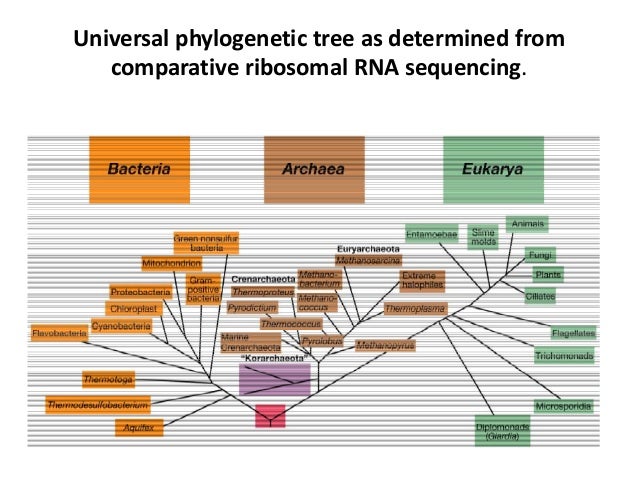
The lecture then proceeded to the topic of the three "Kingdoms" of life, the Bacteria, the Archaea, and the Eukarya. To put our place in the scheme of things into perspective, Dr Blaser showed a slide of the "Tree of Life" and informed us that, in comparison to the distantly related bacteria Escherichia coli and Clostridium sp., humans can count as close relatives corn and fungi.
The microbiome is ancient, niche-specific, persistent, conserved, and host specific. Ever since animals evolved, they have had microbial symbionts. In a typical human body, there are 23,000 "human" genes present, and 8 million microbial genes. Put bluntly, 99% of the genes present in your body are bacterial. Different sites around the human body have different microbial populations. The diversity of an individual's microbiomes levels out with age, with the "adult" microbiome typically being established by the age of three. The host and the symbiotic microbes co-evolve- host and symbiont send "signals" to each other.
The next topic in Dr Blaser's lecture was the stomach bacterium Helicobacter pylori. H. pylori us the dominant microorganism in the human stomach, and has been around for at least 100,000 years and has a worldwide distribution. Approximately half of the world's population plays host to H. pylori. The bacteria adhere to the stomach epithelia and form "pedestals". The bacteria produce a protein called CagA which they inject into the epithelial cells by means of molecular "syringes". As an aside, I wish to note that molecular syringes may have formed a precursor to the bacterial flagellum, a finding which torpedoed the foolish "irreducible complexity" argument posited by "Intelligent Design" creationists.
Recently, H. pylori has been rapidly disappearing in many regions of the world- this graph shows the precipitous decline in the U.S. over eighty years. Currently, only about 6% of children in the U.S. possess H. pylori symbionts.
H. pylori has been implicated in gastric cancer as well as stomach and duodenal ulcers. Men with H. pylori are more likely to develop stomach cancer than men without H. pylori. As H. pylori disappears, the incidence of gastric cancer has decreased. There's a downside, though- as H. pylori disappears, the incidence of gastric "reflux" and esophageal adenocarcinoma has increased. Reflux, which makes esophageal cancer more prevalent, was rare in the 1930s, but the incidence has been increasing with the wane of H. pylori. H. pylori is bad for the stomach, but good for the esophagus. As Dr Blaser bluntly put it, you can't win.
The next topic of the lecture involved other health effects of H. pylori. The stomach produces the hormone ghrelin, which stimulates appetite. H. pylori affects ghrelin levels. Ghrelin levels are typically high in the morning, which triggers hunger, and decrease as one is satiated. If H. pylori is eradicated, ghrelin levels tend to remain high. The elimination of H. pylori has also been implicated in increased asthma rates and may play a role in the increased incidence of food allergies. In children under fifteen, there is an inverse association between asthma and the presence of H. pylori, but there is no such association in children over the age of fifteen. Asthma rates tend to rise with courses of antibiotics administered to infants- early H. pylori infection could possibly prevent asthma. Wheezing is caused by metacholine. H. pylori makes wheezing less prevalent in infants. the bacteria in the stomach protect the lungs. H. pylori can also cause increased skin sensitization. The disappearance of H. pylori may be related to T-cell depletion and increased gastric acidity. H. pylori is good for the upper regions of the gastrointestinal tract and bad for the lower reaches of the GI tract. It's good for us early in life, but bad for us later in life. Once again, you can't win.
The next topic of the lecture was an overview of the disappearing microbiota hypothesis. A changing human ecology since the 19th century has affected the transmission and maintenance of the indigenous microbiota, and the microorganismal composition changes have an effect on health. Since the 19th century, each generation of mothers has passed fewer microbes to its children. In a cross-cultural study, the diversity of microbiota in the U.S. has been found to be lower than that in the Malawian and South American indigenous populations.
One major factor in the transmission of microbiota is the method of birth. Mothers pass their microbiota to their children through the birthing process (vaginal birth transfers a more diverse microbiota than birth by Caesarian section), through the mastication of food for their infants, through nursing, and through skin contact.
Dr Blaser then went on a slight tangent about the overuse of antimicrobials, and injected a moment of bizarre hilarity by showing an ad for an antimicrobial stapler (as an aside, I wonder if that's why Milton was so upset at losing his red Swingline). He emphatically stated that less bacteria do not equal better health.
The "antimicrobials" discussion turned to the use of antibiotics. Out of the top eight prescriptions given to children, five are for antibiotics. 41 million courses of antibiotics are administered to children yearly. This may be a factor in the rise of obesity throughout the developing world for the last thirty years. The administration of low doses of antibiotics (STAT: sub-therapeutic antibiotic treatment) promotes growth in farm animals. The earlier the antibiotics are applied, the greater the increase in growth. Studies involving mice showed no difference in weight between mice given "STAT", but the mice given antibiotics had a greater fat mass. Not only does STAT create a greater fat mass, but it also changes the host's microbiota. The microbiota change precedes the development of obesity. Liver adiposity also increases with STAT. STAT also affects lipid metabolic processes and fatty acid metabolism. The antibiotics change the composition of microbiota through Natural Selection (microbes not killed by the antibiotics proliferate when "weaker" microbes die off) The application of antibiotics also decreases the activation of the immune system's T-cells, and changes genes which regulate obesity in early life.
Besides STAT, sub-therapeutic antibiotic treatment, studies were made of PAT, pulse antibiotic therapy, the administration of antibiotics as if an infection were being treated. In these studies, it was found that three "pulses" of antibiotics were sufficient to accelerate weight gain and resulted in bigger bones with a higher mineral content. It's possible that PAT could be resulting in increases in average height.
The administration of antibiotics reduces the diversity of microbiota- with each "pulse" there is a permanent reduction in microbiota species. If an ecosystem is perturbed once, it can recover, additional perturbations cause permanent change. Perturbed equilibrium changes all "pathways" in an ecosystem. This has an implication in the development of stem cells because microbiota create a context for development. By perturbing microbiota, we could be changing metabolic, cognitive, and developmental processes. A changing microbiota also has allergic and autimmune implications- a rise in allergies and autoimmune disorders could be "collateral damage" resulting from changing microbiota.
In the Q&A session, some bastard in the audience asked Dr Blaser if the various "probiotics" on the market were of any value. He indicated that most of the probiotics on the shelf were more triumphs of marketing rather than paragons of therapeutic value. He also asserted that more narrow spectrum antibiotics were needed to prevent large scale disruptions of microbiota. In a response to a question about Fecal Transplant Therapy, he indicated that the clinical trial showed that fecal transplants are useful in treating persistent Clostridium difficile infections. As an aside, I think I could become a regular POOP donor... I'm full of the stuff! Diet can change the microbiome somewhat, but the fundamental (heh heh) "fingerprint" of the microbiome doesn't change much.
Once again, this was a top-notch lecture in a top-flight series. It was also an appropriate lecture for the Valentine's Day season, because it was a celebration of the fact that no-one is alone, ever. So... love the little buddies who travel with you wherever you go. Special thanks to Dr Blaser, Secret Science Goddesses Dorian Devins and Margaret Mittelbach, and the staff of the beautiful Bell House. They are even better than my beloved gut-buddies, and I never have to worry about them giving me ulcers.
POSTSCRIPT: Me being me, I couldn't finish this post without putting up the video for Germfree Adolescents by the late great Poly Styrene and the X-Ray Spex:
After a brief overview of the topics he would cover, Dr Blaser opened his lecture with a slide of the changes in the Greenland ice sheets due to global warming. Just as global warming is a change in the macroenvironment, there are changes occurring in the microenvironment inside our bodies.
The lecture then proceeded to the topic of the three "Kingdoms" of life, the Bacteria, the Archaea, and the Eukarya. To put our place in the scheme of things into perspective, Dr Blaser showed a slide of the "Tree of Life" and informed us that, in comparison to the distantly related bacteria Escherichia coli and Clostridium sp., humans can count as close relatives corn and fungi.
The microbiome is ancient, niche-specific, persistent, conserved, and host specific. Ever since animals evolved, they have had microbial symbionts. In a typical human body, there are 23,000 "human" genes present, and 8 million microbial genes. Put bluntly, 99% of the genes present in your body are bacterial. Different sites around the human body have different microbial populations. The diversity of an individual's microbiomes levels out with age, with the "adult" microbiome typically being established by the age of three. The host and the symbiotic microbes co-evolve- host and symbiont send "signals" to each other.
The next topic in Dr Blaser's lecture was the stomach bacterium Helicobacter pylori. H. pylori us the dominant microorganism in the human stomach, and has been around for at least 100,000 years and has a worldwide distribution. Approximately half of the world's population plays host to H. pylori. The bacteria adhere to the stomach epithelia and form "pedestals". The bacteria produce a protein called CagA which they inject into the epithelial cells by means of molecular "syringes". As an aside, I wish to note that molecular syringes may have formed a precursor to the bacterial flagellum, a finding which torpedoed the foolish "irreducible complexity" argument posited by "Intelligent Design" creationists.
Recently, H. pylori has been rapidly disappearing in many regions of the world- this graph shows the precipitous decline in the U.S. over eighty years. Currently, only about 6% of children in the U.S. possess H. pylori symbionts.
H. pylori has been implicated in gastric cancer as well as stomach and duodenal ulcers. Men with H. pylori are more likely to develop stomach cancer than men without H. pylori. As H. pylori disappears, the incidence of gastric cancer has decreased. There's a downside, though- as H. pylori disappears, the incidence of gastric "reflux" and esophageal adenocarcinoma has increased. Reflux, which makes esophageal cancer more prevalent, was rare in the 1930s, but the incidence has been increasing with the wane of H. pylori. H. pylori is bad for the stomach, but good for the esophagus. As Dr Blaser bluntly put it, you can't win.
The next topic of the lecture involved other health effects of H. pylori. The stomach produces the hormone ghrelin, which stimulates appetite. H. pylori affects ghrelin levels. Ghrelin levels are typically high in the morning, which triggers hunger, and decrease as one is satiated. If H. pylori is eradicated, ghrelin levels tend to remain high. The elimination of H. pylori has also been implicated in increased asthma rates and may play a role in the increased incidence of food allergies. In children under fifteen, there is an inverse association between asthma and the presence of H. pylori, but there is no such association in children over the age of fifteen. Asthma rates tend to rise with courses of antibiotics administered to infants- early H. pylori infection could possibly prevent asthma. Wheezing is caused by metacholine. H. pylori makes wheezing less prevalent in infants. the bacteria in the stomach protect the lungs. H. pylori can also cause increased skin sensitization. The disappearance of H. pylori may be related to T-cell depletion and increased gastric acidity. H. pylori is good for the upper regions of the gastrointestinal tract and bad for the lower reaches of the GI tract. It's good for us early in life, but bad for us later in life. Once again, you can't win.
The next topic of the lecture was an overview of the disappearing microbiota hypothesis. A changing human ecology since the 19th century has affected the transmission and maintenance of the indigenous microbiota, and the microorganismal composition changes have an effect on health. Since the 19th century, each generation of mothers has passed fewer microbes to its children. In a cross-cultural study, the diversity of microbiota in the U.S. has been found to be lower than that in the Malawian and South American indigenous populations.
One major factor in the transmission of microbiota is the method of birth. Mothers pass their microbiota to their children through the birthing process (vaginal birth transfers a more diverse microbiota than birth by Caesarian section), through the mastication of food for their infants, through nursing, and through skin contact.
Dr Blaser then went on a slight tangent about the overuse of antimicrobials, and injected a moment of bizarre hilarity by showing an ad for an antimicrobial stapler (as an aside, I wonder if that's why Milton was so upset at losing his red Swingline). He emphatically stated that less bacteria do not equal better health.
The "antimicrobials" discussion turned to the use of antibiotics. Out of the top eight prescriptions given to children, five are for antibiotics. 41 million courses of antibiotics are administered to children yearly. This may be a factor in the rise of obesity throughout the developing world for the last thirty years. The administration of low doses of antibiotics (STAT: sub-therapeutic antibiotic treatment) promotes growth in farm animals. The earlier the antibiotics are applied, the greater the increase in growth. Studies involving mice showed no difference in weight between mice given "STAT", but the mice given antibiotics had a greater fat mass. Not only does STAT create a greater fat mass, but it also changes the host's microbiota. The microbiota change precedes the development of obesity. Liver adiposity also increases with STAT. STAT also affects lipid metabolic processes and fatty acid metabolism. The antibiotics change the composition of microbiota through Natural Selection (microbes not killed by the antibiotics proliferate when "weaker" microbes die off) The application of antibiotics also decreases the activation of the immune system's T-cells, and changes genes which regulate obesity in early life.
Besides STAT, sub-therapeutic antibiotic treatment, studies were made of PAT, pulse antibiotic therapy, the administration of antibiotics as if an infection were being treated. In these studies, it was found that three "pulses" of antibiotics were sufficient to accelerate weight gain and resulted in bigger bones with a higher mineral content. It's possible that PAT could be resulting in increases in average height.
The administration of antibiotics reduces the diversity of microbiota- with each "pulse" there is a permanent reduction in microbiota species. If an ecosystem is perturbed once, it can recover, additional perturbations cause permanent change. Perturbed equilibrium changes all "pathways" in an ecosystem. This has an implication in the development of stem cells because microbiota create a context for development. By perturbing microbiota, we could be changing metabolic, cognitive, and developmental processes. A changing microbiota also has allergic and autimmune implications- a rise in allergies and autoimmune disorders could be "collateral damage" resulting from changing microbiota.
In the Q&A session, some bastard in the audience asked Dr Blaser if the various "probiotics" on the market were of any value. He indicated that most of the probiotics on the shelf were more triumphs of marketing rather than paragons of therapeutic value. He also asserted that more narrow spectrum antibiotics were needed to prevent large scale disruptions of microbiota. In a response to a question about Fecal Transplant Therapy, he indicated that the clinical trial showed that fecal transplants are useful in treating persistent Clostridium difficile infections. As an aside, I think I could become a regular POOP donor... I'm full of the stuff! Diet can change the microbiome somewhat, but the fundamental (heh heh) "fingerprint" of the microbiome doesn't change much.
Once again, this was a top-notch lecture in a top-flight series. It was also an appropriate lecture for the Valentine's Day season, because it was a celebration of the fact that no-one is alone, ever. So... love the little buddies who travel with you wherever you go. Special thanks to Dr Blaser, Secret Science Goddesses Dorian Devins and Margaret Mittelbach, and the staff of the beautiful Bell House. They are even better than my beloved gut-buddies, and I never have to worry about them giving me ulcers.
POSTSCRIPT: Me being me, I couldn't finish this post without putting up the video for Germfree Adolescents by the late great Poly Styrene and the X-Ray Spex:
Monday, December 11, 2017
Secret Science Club Post-Lecture Recap: Oceans of Wonder, or Microbiome Del Mar
Last night, I headed down to the beautiful Bell House, in the Gowanus section of Brooklyn, for this month's Secret Science Club lecture featuring marine biologist and oceanographer Dr Ed DeLong of the University of Hawai`i at Manoa. Dr DeLong's lecture concerned the marine microbiome, and its effect on the Earth's biochemical systems.
Dr DeLong began his lecture by noting that microbes permeate everything, and have done so for the majority of Earth's history. Microbes move in a very different fashion than macroorganisms, their motions taking the form of a 'random walk'. Microbes must contend with a low Reynolds number, with viscous forces being stronger than inertial forces. Dr DeLong likened this to a human swimming in molasses, being able to stroke once per minute. A microbe 'runs' straight, then tumbles in a random direction, tumbling less near food sources (with a general movement toward food).
A common view of biodiversity tends to focus on macroorganisms, typically insects. There is an anecdote that the biologist J.B.S. Haldane (who first conceived of abiogenesis and a 'primordial soup' and first suspected that sickle-cell anemia was an adaptation to malaria), when asked to comment on God by a theologian, replied that God had an 'inordinate fondness for beetles'. This anecdote probably derived from a passage in Haldane's book What is Life?:
The Creator would appear as endowed with a passion for stars, on the one hand, and for beetles on the other, for the simple reason that there are nearly 300,000 species of beetle known, and perhaps more, as compared with somewhat less than 9,000 species of birds and a little over 10,000 species of mammals. Beetles are actually more numerous than the species of any other insect order. That kind of thing is characteristic of nature.
If the Creator has a fondness for beetles, it has even more fondness for microbes- in a teaspoon of seawater, there are about one million microbes and ten million viruses. It is estimated that here are about 1024 stars in the observable universe, and about 1030 microbes in the world's oceans. A Creator would seem to have a phenomenally inordinate fondness for oceanic microbes.
Microbes have been around for a long time. The Earth is considered to be over four billion years old and microbes are believed to have been around for 3.8 billion years. Microbes have had a profound effect on the planet's chemistry- phototrophic organisms evolved, some of them evolving into photosynthetic organisms, with some photosynthetic cyanobacteria being incorporated as plant organelles. The waste product of photosynthesis is oxygen, the production of which made eukaryotic life possible, setting the stage for us. Microbes play a critical role in biochemical cycles- perhaps the most important of which is the photosynthesis-respiration cycle. With increasing amounts of carbon dioxide being released into the atmosphere, it is possible that microbes might be able to store some of the carbon.
Life can exist in extreme conditions, such as boiling-hot geothermal vents and freezing polar conditions. Wherever there is water (hydrogen and oxygen), carbon, nitrogen, phosphorus, and energy, life can exist. Microbes drive Earth's biochemical cycles everywhere. One of the most important of these cycles is the microbial nitrogen cycle. The nitrogen cycle is crucial to the oceans, and nitrogen fixation, by which atmospheric nitrogen is converted into ammonia which can be used by other organisms, is a bacterial process- no microbes, no nitrogen cycling.
Dr DeLong noted that the 'forests of the sea' are microbial- while the primary photosynthetic organisms on land are macroorganisms, the plants, the primary photosynthetic organisms in the ocean are cyanobacteria, though diatoms and dinoflagellates are also important photosynthesizers. Approximately fifty percent of the oxygen we breathe comes from the ocean.
Dr DeLong gave a brief history of the 1872 HMS Challenger expedition, a four year voyage around the globe during which the Marianas Trench was discovered and numerous biological and geological samples were obtained. Among the biological specimens collected were many eukaryotic organisms now included in a supergroup known as the Rhizaria. Many of these organisms were beautifully depicted by Ernst Haeckel. The Rhizaria are an important carbon conduit to the deep sea- when they die, they sink, their calcium carbonate walls providing carbon to the depths.
Dr DeLong then played a video of satellite imagery of cyanobacteria blooms similar to this video:
Cyanobacteria blooms can occur due to factors such as upwellings of nutrients and discharges of sewage and fertilizer runoff. Cyanobacteria are massively parallel, broadly distributed engines of chemical processes.
Dr DeLong then turned to the topic of 'seeing the unseen'- it is hard to observe microbes, and it is especially hard to study them in nature. Studying microbes in a petri dish is like studying animals in a zoo- in limited environments, what we learn about organisms is limited. To understand organisms, it is important to study their interactions. Before 1980, wild microbes were invisible, unculturable, and unidentifiable. It is now possible to study them through epifluorescence microscopy, which involves staining microbial DNA with fluorescent dyes in order to make it visible under microscopes. The discovery of oceanic microbes really amped up in the 1970s, when Carl Woese applied quantitative molecular phylogenetics to all life. He used DNA/RNA sequencing to piece together an RNA phylogeny for all life. Differences in RNA can be used to calculate evolutionary distances. Dr Woese's RNA sequencing revealed a new view of life. Not only is all life related, sharing RNA sequences, but the 'tree of life' was upended with the discovery of the Archaea. Many of the Archaea live in extreme environments, such as hydrothermal vents and super-salty pools. Some of the RNA sequences characteristic to Archaea show that they are closer to us than to bacteria.
Before Woese's project, organisms were broadly divided into prokaryotes and eukaryotes, different prokaryotes could not be differentiated, and the Archaea were lumped in with bacteria. With Woese's techniques, differences could be characterized.
To study microbes in nature, a mixed population is collected, and the DNA 'bar codes' are extracted, sequenced, and phylogenies are constructed. Quantitative surveys are then conducted to determine the proportions among the organisms. Back in 1987, 11 bacterial phyla were known. By 2006, 100 phyla had been discovered, with numerous species in each phylum. There are difficulties in defining bacterial species, and there are possibly millions of billions of them.
There is a logical flow to hunting microbes- find the RNA, we may know 'who' the microbes are but not what they are doing. Is a microbe a heterotroph or a phototroph? How do the microbes interact? The discipline of metagenomics is a genomic approach to microbial ecology- get samples, extract the genetic material, build a 'library' of community genetic sequences.
Dr DeLong showed a cover from The Economist trumpeting MICROBES MAKETH MAN, noting that the human microbiome has entered into the popular consciousness. A microbiome is a community of microbes, a collective genome. Dr DeLong joked that every microbiologist is a microbiome. Dr DeLong showed two funny pictures of microbe-hunting (manual sampling, remote sensing, and in situ surveys- a picture of three guys in a rowboat and a picture of a small boy with muddy hands). The environment of a microbiome could be measured in microns or, in the case of the ocean, meters. New genes and new gene functions are being discovered- novel opsin genes, similar to the opsin genes in human eyes, were discovered in bacterial genomes. The bacterial opsins can make energy from light. Over fifty percent of bacteria at the ocean's surface have opsins to boost energy, even though they are heterotrophs. Dr DeLong likened them to hybrid cars- this energy boost can enhance the bacterial growth and survival rates.
Dr DeLong then focused on the University of Hawai'i's Station ALOHA, an oceanographic research center in the open ocean a half-day's steam north of Oahu. Station ALOHA, led by Dr David Karl, has been in operation for about thirty years, studying changes in the ocean, such as this pH curve:

As carbon dioxide is released into the atmosphere, some of it is absorbed by the ocean, which becomes more acidic, hence the lower pH.
Station ALOHA also surveys the oceanic microbiome, establishing a station gene catalog. Near the bright surface, there is a lot of life, such as bacteria and diatoms, but very few nutrients. At a depth of 125 meters, a chlorophyll maximum is reached- in the darker transition region, more chlorophyll 'antennae' are needed to make photosynthesis possible. Below this transition zone, the amount of nitrogen in the water increases. Below this zone is a genomic transition zone- where a microbe is influences the types of genes it has and the types of organisms they are. The genomic transition zone is at depths between 25 meters and 75 meters.
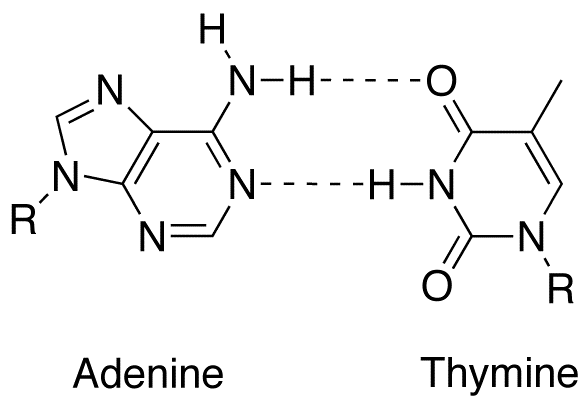
Dr DeLong gave us a brief refresher course on DNA, composed of the four nucleobases: adenine, cytosine, guanine, and thymine. Adenine forms a base pair with thymine, cytosine with guanine. The GC base pair can be used taxonomically- between 25 meters and 75 meters, there is a low incidence of GC base pairs. At 125 meters, GC base pairs increase, reaching a maximum at 200 meters, then declining. The increasing incidence of GC pairs corresponds to increasing nitrogen content. AT base pairs contain seven nitrogen molecules while GC base pairs contain eight.
Dr DeLong then briefly asked the question, where is the field heading? How are genomes related to environment, to metabolism, to ecology? The brief answer is that more sampling is needed so better models can be developed. Ultimately, the goal is to be able to predict the ocean's 'bio-weather', which is being increasingly affected by human activity. Humans are the only non-microbial organisms that can fix nitrogen, and we are adding additional nitrates to the oceans.
The lecture was followed by a Q&A session. The first question regarded post-Fukushima reactor findings- Dr DeLong indicated that they are tracking the situation closely but the results are not known yet. Another question regarded oceanic dead zones, or Oxygen Minimum Zones- nitrates can cause blooms of photosynthetic plankton which then die off and draw down the oxygen content of the water, in which fish cannot live, causing die-offs. There is a longstanding OMZ in the Gulf of Mexico- the Mississippi Plume, at the mouth of the river. A new OMZ has developed off the coast of Oregon. Another question regarded the shotgun hypothesis, which posits that warming waters could cause frozen methane clathrates at the bottom of the ocean to evaporate, releasing methane, which is a worse greenhouse gas than carbon dioxide. Another question regarded biodiversity- as the ocean becomes more eutrophic, certain organisms dominate, such as phytoplankton blooms. In another case, as fish are removed from the ocean, jellyfish populations bloom. Dr DeLong posed a conundrum- do microbe species go extinct?
Some bastard in the audience, keeping on the doom and gloom topic, asked about the effects of the Pacific Plastic Gyre on the ocean's biomes. Dr DeLong's immediate answer was 'Did you read our paper?' No... but I'm THAT guy. The plastic gyre in the mid-Pacific contains an average of one piece of plastic per cubic meter of seawater. The plastic is devastating to vertebrates, which ingest pieces of plastic. The pieces of plastic act as tiny reefs on which bryozoans and corals can colonize.
Other questions regarded the use of phytoplankton to absorb atmospheric carbon and sink it to the ocean bottom. By inducing blooms, uncontrolled systems result, which could cause problems. We can't control which species proliferate- geoengineering solutions are generally not viable. A question about how high GC organisms from high AT organisms elicited the response that genomes increase in size below the chlorophyll maximum. Steady surface conditions are conducive to low variability- as organisms follow each other in lockstep transferring nutrients, genomes can shrink. Deeper down, as conditions are more variable, stochastic environments, bigger genomes and more genetic diversity are conducive to success.
The lecture ended on a bit of a pessimistic note when an audience member asked Dr DeLong's opinion on the current political climate. The climate for climate science is not improving. Reports are held up, funding is decreasing. Dr DeLong brought up using a tactic of changing wording but keeping the same science to get by industry gatekeepers. He noted that science will move forward, and that scientists won't back down. Now, THAT is the Secret Science Club attitude this nation needs.
Once again, the SSC served up a fantastic lecture. Kudos to Dr DeLong, Margaret and Dorian, and the staff of the beautiful Bell House. On another happy note, my friend Sensei ____ came down to the lecture with her roommate, who just happens to be studying algae, albeit freshwater forms. High fives all around!
Here's a video of Dr DeLong discussing Station ALOHA:
Grab a beverage, and soak in that secret science, with a side of defiance.
Dr DeLong began his lecture by noting that microbes permeate everything, and have done so for the majority of Earth's history. Microbes move in a very different fashion than macroorganisms, their motions taking the form of a 'random walk'. Microbes must contend with a low Reynolds number, with viscous forces being stronger than inertial forces. Dr DeLong likened this to a human swimming in molasses, being able to stroke once per minute. A microbe 'runs' straight, then tumbles in a random direction, tumbling less near food sources (with a general movement toward food).
A common view of biodiversity tends to focus on macroorganisms, typically insects. There is an anecdote that the biologist J.B.S. Haldane (who first conceived of abiogenesis and a 'primordial soup' and first suspected that sickle-cell anemia was an adaptation to malaria), when asked to comment on God by a theologian, replied that God had an 'inordinate fondness for beetles'. This anecdote probably derived from a passage in Haldane's book What is Life?:
The Creator would appear as endowed with a passion for stars, on the one hand, and for beetles on the other, for the simple reason that there are nearly 300,000 species of beetle known, and perhaps more, as compared with somewhat less than 9,000 species of birds and a little over 10,000 species of mammals. Beetles are actually more numerous than the species of any other insect order. That kind of thing is characteristic of nature.
If the Creator has a fondness for beetles, it has even more fondness for microbes- in a teaspoon of seawater, there are about one million microbes and ten million viruses. It is estimated that here are about 1024 stars in the observable universe, and about 1030 microbes in the world's oceans. A Creator would seem to have a phenomenally inordinate fondness for oceanic microbes.
Microbes have been around for a long time. The Earth is considered to be over four billion years old and microbes are believed to have been around for 3.8 billion years. Microbes have had a profound effect on the planet's chemistry- phototrophic organisms evolved, some of them evolving into photosynthetic organisms, with some photosynthetic cyanobacteria being incorporated as plant organelles. The waste product of photosynthesis is oxygen, the production of which made eukaryotic life possible, setting the stage for us. Microbes play a critical role in biochemical cycles- perhaps the most important of which is the photosynthesis-respiration cycle. With increasing amounts of carbon dioxide being released into the atmosphere, it is possible that microbes might be able to store some of the carbon.
Life can exist in extreme conditions, such as boiling-hot geothermal vents and freezing polar conditions. Wherever there is water (hydrogen and oxygen), carbon, nitrogen, phosphorus, and energy, life can exist. Microbes drive Earth's biochemical cycles everywhere. One of the most important of these cycles is the microbial nitrogen cycle. The nitrogen cycle is crucial to the oceans, and nitrogen fixation, by which atmospheric nitrogen is converted into ammonia which can be used by other organisms, is a bacterial process- no microbes, no nitrogen cycling.
Dr DeLong noted that the 'forests of the sea' are microbial- while the primary photosynthetic organisms on land are macroorganisms, the plants, the primary photosynthetic organisms in the ocean are cyanobacteria, though diatoms and dinoflagellates are also important photosynthesizers. Approximately fifty percent of the oxygen we breathe comes from the ocean.
Dr DeLong gave a brief history of the 1872 HMS Challenger expedition, a four year voyage around the globe during which the Marianas Trench was discovered and numerous biological and geological samples were obtained. Among the biological specimens collected were many eukaryotic organisms now included in a supergroup known as the Rhizaria. Many of these organisms were beautifully depicted by Ernst Haeckel. The Rhizaria are an important carbon conduit to the deep sea- when they die, they sink, their calcium carbonate walls providing carbon to the depths.
Dr DeLong then played a video of satellite imagery of cyanobacteria blooms similar to this video:
Cyanobacteria blooms can occur due to factors such as upwellings of nutrients and discharges of sewage and fertilizer runoff. Cyanobacteria are massively parallel, broadly distributed engines of chemical processes.
Dr DeLong then turned to the topic of 'seeing the unseen'- it is hard to observe microbes, and it is especially hard to study them in nature. Studying microbes in a petri dish is like studying animals in a zoo- in limited environments, what we learn about organisms is limited. To understand organisms, it is important to study their interactions. Before 1980, wild microbes were invisible, unculturable, and unidentifiable. It is now possible to study them through epifluorescence microscopy, which involves staining microbial DNA with fluorescent dyes in order to make it visible under microscopes. The discovery of oceanic microbes really amped up in the 1970s, when Carl Woese applied quantitative molecular phylogenetics to all life. He used DNA/RNA sequencing to piece together an RNA phylogeny for all life. Differences in RNA can be used to calculate evolutionary distances. Dr Woese's RNA sequencing revealed a new view of life. Not only is all life related, sharing RNA sequences, but the 'tree of life' was upended with the discovery of the Archaea. Many of the Archaea live in extreme environments, such as hydrothermal vents and super-salty pools. Some of the RNA sequences characteristic to Archaea show that they are closer to us than to bacteria.
Before Woese's project, organisms were broadly divided into prokaryotes and eukaryotes, different prokaryotes could not be differentiated, and the Archaea were lumped in with bacteria. With Woese's techniques, differences could be characterized.
To study microbes in nature, a mixed population is collected, and the DNA 'bar codes' are extracted, sequenced, and phylogenies are constructed. Quantitative surveys are then conducted to determine the proportions among the organisms. Back in 1987, 11 bacterial phyla were known. By 2006, 100 phyla had been discovered, with numerous species in each phylum. There are difficulties in defining bacterial species, and there are possibly millions of billions of them.
There is a logical flow to hunting microbes- find the RNA, we may know 'who' the microbes are but not what they are doing. Is a microbe a heterotroph or a phototroph? How do the microbes interact? The discipline of metagenomics is a genomic approach to microbial ecology- get samples, extract the genetic material, build a 'library' of community genetic sequences.
Dr DeLong showed a cover from The Economist trumpeting MICROBES MAKETH MAN, noting that the human microbiome has entered into the popular consciousness. A microbiome is a community of microbes, a collective genome. Dr DeLong joked that every microbiologist is a microbiome. Dr DeLong showed two funny pictures of microbe-hunting (manual sampling, remote sensing, and in situ surveys- a picture of three guys in a rowboat and a picture of a small boy with muddy hands). The environment of a microbiome could be measured in microns or, in the case of the ocean, meters. New genes and new gene functions are being discovered- novel opsin genes, similar to the opsin genes in human eyes, were discovered in bacterial genomes. The bacterial opsins can make energy from light. Over fifty percent of bacteria at the ocean's surface have opsins to boost energy, even though they are heterotrophs. Dr DeLong likened them to hybrid cars- this energy boost can enhance the bacterial growth and survival rates.
Dr DeLong then focused on the University of Hawai'i's Station ALOHA, an oceanographic research center in the open ocean a half-day's steam north of Oahu. Station ALOHA, led by Dr David Karl, has been in operation for about thirty years, studying changes in the ocean, such as this pH curve:

As carbon dioxide is released into the atmosphere, some of it is absorbed by the ocean, which becomes more acidic, hence the lower pH.
Station ALOHA also surveys the oceanic microbiome, establishing a station gene catalog. Near the bright surface, there is a lot of life, such as bacteria and diatoms, but very few nutrients. At a depth of 125 meters, a chlorophyll maximum is reached- in the darker transition region, more chlorophyll 'antennae' are needed to make photosynthesis possible. Below this transition zone, the amount of nitrogen in the water increases. Below this zone is a genomic transition zone- where a microbe is influences the types of genes it has and the types of organisms they are. The genomic transition zone is at depths between 25 meters and 75 meters.
Dr DeLong gave us a brief refresher course on DNA, composed of the four nucleobases: adenine, cytosine, guanine, and thymine. Adenine forms a base pair with thymine, cytosine with guanine. The GC base pair can be used taxonomically- between 25 meters and 75 meters, there is a low incidence of GC base pairs. At 125 meters, GC base pairs increase, reaching a maximum at 200 meters, then declining. The increasing incidence of GC pairs corresponds to increasing nitrogen content. AT base pairs contain seven nitrogen molecules while GC base pairs contain eight.
Dr DeLong then briefly asked the question, where is the field heading? How are genomes related to environment, to metabolism, to ecology? The brief answer is that more sampling is needed so better models can be developed. Ultimately, the goal is to be able to predict the ocean's 'bio-weather', which is being increasingly affected by human activity. Humans are the only non-microbial organisms that can fix nitrogen, and we are adding additional nitrates to the oceans.
The lecture was followed by a Q&A session. The first question regarded post-Fukushima reactor findings- Dr DeLong indicated that they are tracking the situation closely but the results are not known yet. Another question regarded oceanic dead zones, or Oxygen Minimum Zones- nitrates can cause blooms of photosynthetic plankton which then die off and draw down the oxygen content of the water, in which fish cannot live, causing die-offs. There is a longstanding OMZ in the Gulf of Mexico- the Mississippi Plume, at the mouth of the river. A new OMZ has developed off the coast of Oregon. Another question regarded the shotgun hypothesis, which posits that warming waters could cause frozen methane clathrates at the bottom of the ocean to evaporate, releasing methane, which is a worse greenhouse gas than carbon dioxide. Another question regarded biodiversity- as the ocean becomes more eutrophic, certain organisms dominate, such as phytoplankton blooms. In another case, as fish are removed from the ocean, jellyfish populations bloom. Dr DeLong posed a conundrum- do microbe species go extinct?
Some bastard in the audience, keeping on the doom and gloom topic, asked about the effects of the Pacific Plastic Gyre on the ocean's biomes. Dr DeLong's immediate answer was 'Did you read our paper?' No... but I'm THAT guy. The plastic gyre in the mid-Pacific contains an average of one piece of plastic per cubic meter of seawater. The plastic is devastating to vertebrates, which ingest pieces of plastic. The pieces of plastic act as tiny reefs on which bryozoans and corals can colonize.
Other questions regarded the use of phytoplankton to absorb atmospheric carbon and sink it to the ocean bottom. By inducing blooms, uncontrolled systems result, which could cause problems. We can't control which species proliferate- geoengineering solutions are generally not viable. A question about how high GC organisms from high AT organisms elicited the response that genomes increase in size below the chlorophyll maximum. Steady surface conditions are conducive to low variability- as organisms follow each other in lockstep transferring nutrients, genomes can shrink. Deeper down, as conditions are more variable, stochastic environments, bigger genomes and more genetic diversity are conducive to success.
The lecture ended on a bit of a pessimistic note when an audience member asked Dr DeLong's opinion on the current political climate. The climate for climate science is not improving. Reports are held up, funding is decreasing. Dr DeLong brought up using a tactic of changing wording but keeping the same science to get by industry gatekeepers. He noted that science will move forward, and that scientists won't back down. Now, THAT is the Secret Science Club attitude this nation needs.
Once again, the SSC served up a fantastic lecture. Kudos to Dr DeLong, Margaret and Dorian, and the staff of the beautiful Bell House. On another happy note, my friend Sensei ____ came down to the lecture with her roommate, who just happens to be studying algae, albeit freshwater forms. High fives all around!
Here's a video of Dr DeLong discussing Station ALOHA:
Grab a beverage, and soak in that secret science, with a side of defiance.
Sunday, August 14, 2016
Science is Cool, Literally
Today was another scorcher, so I decided to take shelter from the heat in the American Museum of Natural History. In the interest of full disclosure, my primary reason for heading down to the museum was the imminent closing of the Secret World Inside You exhibit. I parked in the Bronx and took the 1 train down to 79th St, sharing the subway ride down with some revelers heading to the Dominican Day parade, felicidades, mis amigos Dominicanos.
The museum was a cool respite from the scorching environment of Manhattan, and I proceeded up to the third floor for the exhibit, previewed in this video:
The exhibit started with the topic Meet Your Microbiome, which featured a video presentation by Dr Martin Blaser, who delivered two lectures with the Secret Science Club.
The basic gist of the exhibit was that 99% of the genes in your body aren't yours, they belong to the microbes which inhabit your body. While these microbes sometimes cause illness, most of them are harmless fellow travelers and some of them are necessary for proper health. Even the harmless bacteria provide some benefits, as they crowd out hostile microbes, such as the fungi which cause athlete's foot.
The exhibit was broken down into sections detailing the various biomes of the body, the introduction to the skin's biome being a nice bit of poetic language expressing scientific truth:
Your skin is the largest organ of your body. In an average adult, this protective layer covers some 20 square feet (1.8 square meters). Think of your skin as a sprawling countryside of hills and valleys, cracks and crevices, smooth slopes and rough terrain. Some parts are cool and dry, others warm and humid, and still others oily or forested with hair. Many species of bacteria, fungi, and other microbes call this landscape home.
There was a display about microbial transfer, with an amusing report of roller derby players having more similar microbiomes after the bruising contact of a match.
Another big part of the exhibit dealt with pregnancy and childbirth- in the womb, a fetus is protected from bacteria and viruses in its amniotic sac, and during natural childbirth, the baby picks up a bit of its mother's microbiome while exiting through the birth canal. Infants born by cesarean-section do not receive this beneficial microbial slathering, so swabbing C-section delivered babies with extracts from mom's birth canal may show some promise in remedying this microbial deficit.
The section of microbes' role in the health of their host was fascinating- there were placards detailing Helicobacter pylori's mixed role in human health (described in some detail in this lecture recap). Another bacterium given accolades is Lactobacillus johnsonii, which may provide hosts with lower rates of asthma and allergies which affect the lungs. Bacteroides fragilis can reduce inflammation in colitis sufferers. One particularly funny display illustrated the use of fecal transplants to aid colitis patients infected with Clostridium difficile:

Yes, I am an overgrown eight year-old.
There was also a really funky model of a macrophage engulfing harmful staphylococci while ignoring useful bacilli and red blood cells:

The caption of the display likened the macrophage to a well-behaved dog, warding off intruders but welcoming to friends. Can you dig it?
Other sections explored other bodily biomes, such as the mouth, with a special focus on the role of acid-producing bacteria in causing tooth decay.
The exhibit featured a lot of interactive displays. One was a game called 'Build your microbiome', which simulated the development of gut bacteria through diet, stressing the importance of probiotics and vegetable matter which provides a lot of nourishment for gut bacteria. One grand interactive exhibit portrayed a woman laying on a table, surrounded by icons which, when touched, would bring up displays of the microbes inhabiting her body, from her hair to the soles of her feet.
The exhibit was really well-done, with a myriad of tiny lights to symbolize the various symbiotic microbes and a lot of buttons to push for inquisitive children. It was a charming exhibit, conveying a topic which is still a bit 'foreign' to a society raised to believe that 'germs' are bad. It was definitely worth heading out of the house in the blistering heat to attend this cool exhibit.
The museum was a cool respite from the scorching environment of Manhattan, and I proceeded up to the third floor for the exhibit, previewed in this video:
The exhibit started with the topic Meet Your Microbiome, which featured a video presentation by Dr Martin Blaser, who delivered two lectures with the Secret Science Club.
The basic gist of the exhibit was that 99% of the genes in your body aren't yours, they belong to the microbes which inhabit your body. While these microbes sometimes cause illness, most of them are harmless fellow travelers and some of them are necessary for proper health. Even the harmless bacteria provide some benefits, as they crowd out hostile microbes, such as the fungi which cause athlete's foot.
The exhibit was broken down into sections detailing the various biomes of the body, the introduction to the skin's biome being a nice bit of poetic language expressing scientific truth:
Your skin is the largest organ of your body. In an average adult, this protective layer covers some 20 square feet (1.8 square meters). Think of your skin as a sprawling countryside of hills and valleys, cracks and crevices, smooth slopes and rough terrain. Some parts are cool and dry, others warm and humid, and still others oily or forested with hair. Many species of bacteria, fungi, and other microbes call this landscape home.
There was a display about microbial transfer, with an amusing report of roller derby players having more similar microbiomes after the bruising contact of a match.
Another big part of the exhibit dealt with pregnancy and childbirth- in the womb, a fetus is protected from bacteria and viruses in its amniotic sac, and during natural childbirth, the baby picks up a bit of its mother's microbiome while exiting through the birth canal. Infants born by cesarean-section do not receive this beneficial microbial slathering, so swabbing C-section delivered babies with extracts from mom's birth canal may show some promise in remedying this microbial deficit.
The section of microbes' role in the health of their host was fascinating- there were placards detailing Helicobacter pylori's mixed role in human health (described in some detail in this lecture recap). Another bacterium given accolades is Lactobacillus johnsonii, which may provide hosts with lower rates of asthma and allergies which affect the lungs. Bacteroides fragilis can reduce inflammation in colitis sufferers. One particularly funny display illustrated the use of fecal transplants to aid colitis patients infected with Clostridium difficile:

Yes, I am an overgrown eight year-old.
There was also a really funky model of a macrophage engulfing harmful staphylococci while ignoring useful bacilli and red blood cells:

The caption of the display likened the macrophage to a well-behaved dog, warding off intruders but welcoming to friends. Can you dig it?
Other sections explored other bodily biomes, such as the mouth, with a special focus on the role of acid-producing bacteria in causing tooth decay.
The exhibit featured a lot of interactive displays. One was a game called 'Build your microbiome', which simulated the development of gut bacteria through diet, stressing the importance of probiotics and vegetable matter which provides a lot of nourishment for gut bacteria. One grand interactive exhibit portrayed a woman laying on a table, surrounded by icons which, when touched, would bring up displays of the microbes inhabiting her body, from her hair to the soles of her feet.
The exhibit was really well-done, with a myriad of tiny lights to symbolize the various symbiotic microbes and a lot of buttons to push for inquisitive children. It was a charming exhibit, conveying a topic which is still a bit 'foreign' to a society raised to believe that 'germs' are bad. It was definitely worth heading out of the house in the blistering heat to attend this cool exhibit.
Tuesday, April 16, 2019
Secret Science Club Post Lecure Recap: Skin and Stem Cells
Last night, I headed down to the beautiful Bell House, in the Gowanus section of Brooklyn, for this month's Secret Science Club lecture, featuring cell biologist Dr Elaine Fuchs of The Rockefeller University and the Howard Hughes Medical Institute. This month's lecture was the annual Secret Science Club collaboration with The Lasker Foundation.
Dr Fuchs began her lecture by telling the audience that this was a first for her, she had never lectured an audience in a bar. Welcome, my good doctor, to the Secret Science Club experience. She noted that her main subject of study is adult stem cells, and posed the question: what are stem cells? Biologist Ernst Haeckel coined the term 'stem cell', which was popularized by E.B. Wilson) to describe the cells in an embryo which give rise to the cells of the body. Stem cells were discussed exclusively in terms of embryology. In 1909, cytologist Alexander Maximow isolated cells from bone marrow and found undifferentiated cells which give rise to blood cells. Biologists Ernest McCulloch and James Till introduced a single stem cell into an irradiated mouse which had its marrow cells destroyed, and demonstrated that a single cell could rebuild an entire hematopoietic, blood forming, system. Dr Fuchs noted that not all groundbreaking research wins a Nobel Prize.
She then shifted to topic to culturing cells, and the distinction between embryonic and adult stem cells. Embryonic stem cells are pluripotent, they give rise to all of the tissues of an organism. Adult stem cells are more restricted, limited to giving rise to a narrower range of cell types. Adult stem cells are used to repair tissues when they are subject to wear and tear- wound healing is a prime example of adult stem cells at work. Dr Fuchs summed up the distinction elegantly: we can't develop without embryonic stem cells and we can't survive without adult stem cells.
Dr Fuchs then delivered a crash course in emryology- a fertilized egg forms a structure known as a blastocyst, the outer layer of which forms the placenta of placental mammals, and the inner cell mass of which produces embryonic stem cells, which produce the embryo. Blastocysts can survive outside of the womb, they can be generated in vitro. Regenerative medicine can be achieved using embryonic stem cells to repair damaged tissue (for instance, nerve damage caused by Parkinson's disease). Cultured embryonic stem cells can be transformed into any cell type- adjusting growth factors can be used to derive the desired cell type. Dr Fuchs specifically mentioned the growth of heart muscle cells in a petri dish. In one experiment, stem cells were introduced into the severed spinal cord of a rat in order to restore hind limb movement:
Dr Fuchs noted that human neurons introduced into mouse don't make it any smarter, though the percentage of neurons is kept low due to ethical concerns (I'd like to interject that nobody wants murine supervillains).
Due to ethical concerns, techniques for reprogramming adult stem cells to induce pluripotency have been developed. Transcription proteins such as KLF4 (KLF3AM is not a protein), OCT-4, SOX2, and c-myc are used in this process. The types of therapies made possible by the use of reprogrammed stem cells are myriad, with treatments for Parkinson's disease, Huntington's disease, cardiomyopathies, Alzheimer's disease, type 1 diabetes, and macular degeneration being within reach.
A lot of knowledge in developmental biology is needed to produce specific cell types. There is a need to push development of cell types such as the pancreatic islet cells needed to treat type one diabetes. One particular researcher produced 'buckets' of these cells which ere attacked by the immune system of the lab animal into which they were introduced- the environment of stem cells is as important as stem development itself. Ultimately, it is an engineering problem- how do we make a 'cage' in which stem cells can develop? What is important has to be determined. In Japan, clinical trials to combat macular degeneration are entering a second stage. The eyes are an immune privileged site. In other treatments, genetic differences must be minimized so treatments can go forward.
Dr Fuchs noted that we need to know how different cell types emerge. How do normal tissues develop? How do tissues 'put away' stem cells until needed for repair? How do adult stem cells sit in quiescence until they are needed? If they are mobilized unnecessarily, tumors can develop as a result. How do stem cells cope with stress, such as conditions in which their microenvironment isn't right? Basic science research is integral to developing regenerative medicine.
Dr Fuchs then displayed a collage of photos of various animals, and noted that there were many manifestations of skin types, with various furs and feathers existing. She joked that she would rather study the beautiful surfaces of animals than their ugly internal organs. She noted that you can never solve equations in biology, questions answered invariably lead to new questions. Biologist Howard Green was a pioneer of stem cell culturing, and compared cultures of skin cells to actual human skin. He was able to expand skin cells into sheets which could be grafted onto burn patients. Only a few purified stem cells were needed for a near-whole body skin replacement- regenerative therapy could be used to save children who were burned over 90% of their bodies.
Blistering skin disorders can be treated by identifying the major proteins expressed by epidermal skin cells. Mutations in epidermal skin cells can be repaired through homologous replication. By 2012, whole body regeneration using corrected epidermal stem cells was possible. Stem cell therapy can also be used to repair burns of both the skin and chemical burns of the corneas.
The skin's stem cells are found in hair follicles, sebacous glands, sweat glands, and throughout the interface of the dermis and epidermis, which is full of growth factors. Stem cells are surrounded by many cell types, such as nerve cells, which are derived from the same progenitors in the blastocyst. The 'cross-talk' between different cell types influences what stem cells do and when they do it. A bucket of stem cells, lacking feedback from other cell types, cannot develop properly... stem cells have niches and understanding of these niches is needed.
Stem cells lie in quiescence until they are needed for tissue repair. Inhibitory messages from neighboring cells keep them in quiescence, but when repair is needed, an override signal takes over and the stem cells form short-lived progenitor cells which produce tissue. The on-signal for producing hair follicles has been studied in mice. An on-signal without an off-signal produces tumors... quiescence is important. BMP signaling kicks off a cascade of proteins such as SMAD1, ID1, ID3, and XCL to produce tissue growth. Stem cell numbers remain high throughout an organism's life, but stem cell activity wanes with age. Hair graying is dependent on melanocyte stem cells which occupy the same nice as follicle stem cells. These melanocytes inject melanin into hair. On researcher, looking for a 'fountain of youth', intercepted the BMP signal, but this resulted in sparser gray hair appearing more quickly... the hair conundrum is probably more environmental rather than stem-cell based.
Stem cells are equipped to cope with many different signals- each stem cell has many surface receptors to make needed repairs possible. Chromatin dynamics form the signal-receiving switchboard within stem cells. Wounds and inflammation are different stresses and these different stresses cause different signals. Chronic inflammatory skin diseases such as psoriasis and atopic dermatitis cause epidermal cells to proliferate, and the skin to thicken. They tend to recur in the same spot and new flare-ups tend to worsen. Stem cells retain the memory of inflammation in their chromatin, and this memory might be cumulative. Changes in the chromatin can be apparent six months later. If the problem of cytosine memory can be figured out, the use of immunosuppressant drugs to treat these conditions might be unnecessary. The skin is also affected by other diseases, such as squamous cell carcinomas. TGF beta signals effect tumor growth, and sometimes tumor relapse can occur if stem cells are invasive.
Dr Fuchs ended her lecture by noting that the skin is the largest organ of the human body, and the primary interface between the organism and the environment, keeping fluids in and microbes out... she joked that, in some few cases, 'building a wall' was necessary.
The lecture was followed by a Q&A session, but I must confess that my bursting bladder overrode my burning curiosity, so I didn't manage to get a question in. Other audience members took up the slack, though... One question regarded the microbiome, and Dr Fuchs joked that, though the gut microbiome is pretty well known, researchers are just 'scratching the surface' regarding the skin microbiome. Regarding autoimmune diseases, the basis of autoimmune problems is not well known, but tumor antigens might play a role... the 'cross-talk' between stem cells and immune cells needs to be better known, especially as the skin milieu changes with inflammation. Regarding the study of diseases such as papilloma viruses, Epstein-Barr, and herpes, the complexity of tissues is not usually taken into account in culture studies. Human skin contains 65 different cell types, all of which might not be represented in a tissue culture. The final question involved the ways in which stem cells can go awry and form tumors- Dr Fuchs noted that there are many ways in which this can happen and quipped 'Mother Nature has seen it all'.
Dr Fuchs delivered a fantastic lecture, involving a nice embryology refresher course, a good overview of emerging regenerative medical techniques, and a fantastic discussion of an often overlooked part of the body. Kudos to her, to Margaret and Dorian, and the staffs of the beautiful Bell House and the lovely Lasker Foundation for another top notch Secret Science Club lecture.
For additional information, here's a video, first in a series, of Dr Fuchs discussing stem cells:
Pour yourself a tasty beverage and soak in that SCIENCE!!!
Dr Fuchs began her lecture by telling the audience that this was a first for her, she had never lectured an audience in a bar. Welcome, my good doctor, to the Secret Science Club experience. She noted that her main subject of study is adult stem cells, and posed the question: what are stem cells? Biologist Ernst Haeckel coined the term 'stem cell', which was popularized by E.B. Wilson) to describe the cells in an embryo which give rise to the cells of the body. Stem cells were discussed exclusively in terms of embryology. In 1909, cytologist Alexander Maximow isolated cells from bone marrow and found undifferentiated cells which give rise to blood cells. Biologists Ernest McCulloch and James Till introduced a single stem cell into an irradiated mouse which had its marrow cells destroyed, and demonstrated that a single cell could rebuild an entire hematopoietic, blood forming, system. Dr Fuchs noted that not all groundbreaking research wins a Nobel Prize.
She then shifted to topic to culturing cells, and the distinction between embryonic and adult stem cells. Embryonic stem cells are pluripotent, they give rise to all of the tissues of an organism. Adult stem cells are more restricted, limited to giving rise to a narrower range of cell types. Adult stem cells are used to repair tissues when they are subject to wear and tear- wound healing is a prime example of adult stem cells at work. Dr Fuchs summed up the distinction elegantly: we can't develop without embryonic stem cells and we can't survive without adult stem cells.
Dr Fuchs then delivered a crash course in emryology- a fertilized egg forms a structure known as a blastocyst, the outer layer of which forms the placenta of placental mammals, and the inner cell mass of which produces embryonic stem cells, which produce the embryo. Blastocysts can survive outside of the womb, they can be generated in vitro. Regenerative medicine can be achieved using embryonic stem cells to repair damaged tissue (for instance, nerve damage caused by Parkinson's disease). Cultured embryonic stem cells can be transformed into any cell type- adjusting growth factors can be used to derive the desired cell type. Dr Fuchs specifically mentioned the growth of heart muscle cells in a petri dish. In one experiment, stem cells were introduced into the severed spinal cord of a rat in order to restore hind limb movement:
Dr Fuchs noted that human neurons introduced into mouse don't make it any smarter, though the percentage of neurons is kept low due to ethical concerns (I'd like to interject that nobody wants murine supervillains).
Due to ethical concerns, techniques for reprogramming adult stem cells to induce pluripotency have been developed. Transcription proteins such as KLF4 (KLF3AM is not a protein), OCT-4, SOX2, and c-myc are used in this process. The types of therapies made possible by the use of reprogrammed stem cells are myriad, with treatments for Parkinson's disease, Huntington's disease, cardiomyopathies, Alzheimer's disease, type 1 diabetes, and macular degeneration being within reach.
A lot of knowledge in developmental biology is needed to produce specific cell types. There is a need to push development of cell types such as the pancreatic islet cells needed to treat type one diabetes. One particular researcher produced 'buckets' of these cells which ere attacked by the immune system of the lab animal into which they were introduced- the environment of stem cells is as important as stem development itself. Ultimately, it is an engineering problem- how do we make a 'cage' in which stem cells can develop? What is important has to be determined. In Japan, clinical trials to combat macular degeneration are entering a second stage. The eyes are an immune privileged site. In other treatments, genetic differences must be minimized so treatments can go forward.
Dr Fuchs noted that we need to know how different cell types emerge. How do normal tissues develop? How do tissues 'put away' stem cells until needed for repair? How do adult stem cells sit in quiescence until they are needed? If they are mobilized unnecessarily, tumors can develop as a result. How do stem cells cope with stress, such as conditions in which their microenvironment isn't right? Basic science research is integral to developing regenerative medicine.
Dr Fuchs then displayed a collage of photos of various animals, and noted that there were many manifestations of skin types, with various furs and feathers existing. She joked that she would rather study the beautiful surfaces of animals than their ugly internal organs. She noted that you can never solve equations in biology, questions answered invariably lead to new questions. Biologist Howard Green was a pioneer of stem cell culturing, and compared cultures of skin cells to actual human skin. He was able to expand skin cells into sheets which could be grafted onto burn patients. Only a few purified stem cells were needed for a near-whole body skin replacement- regenerative therapy could be used to save children who were burned over 90% of their bodies.
Blistering skin disorders can be treated by identifying the major proteins expressed by epidermal skin cells. Mutations in epidermal skin cells can be repaired through homologous replication. By 2012, whole body regeneration using corrected epidermal stem cells was possible. Stem cell therapy can also be used to repair burns of both the skin and chemical burns of the corneas.
The skin's stem cells are found in hair follicles, sebacous glands, sweat glands, and throughout the interface of the dermis and epidermis, which is full of growth factors. Stem cells are surrounded by many cell types, such as nerve cells, which are derived from the same progenitors in the blastocyst. The 'cross-talk' between different cell types influences what stem cells do and when they do it. A bucket of stem cells, lacking feedback from other cell types, cannot develop properly... stem cells have niches and understanding of these niches is needed.
Stem cells lie in quiescence until they are needed for tissue repair. Inhibitory messages from neighboring cells keep them in quiescence, but when repair is needed, an override signal takes over and the stem cells form short-lived progenitor cells which produce tissue. The on-signal for producing hair follicles has been studied in mice. An on-signal without an off-signal produces tumors... quiescence is important. BMP signaling kicks off a cascade of proteins such as SMAD1, ID1, ID3, and XCL to produce tissue growth. Stem cell numbers remain high throughout an organism's life, but stem cell activity wanes with age. Hair graying is dependent on melanocyte stem cells which occupy the same nice as follicle stem cells. These melanocytes inject melanin into hair. On researcher, looking for a 'fountain of youth', intercepted the BMP signal, but this resulted in sparser gray hair appearing more quickly... the hair conundrum is probably more environmental rather than stem-cell based.
Stem cells are equipped to cope with many different signals- each stem cell has many surface receptors to make needed repairs possible. Chromatin dynamics form the signal-receiving switchboard within stem cells. Wounds and inflammation are different stresses and these different stresses cause different signals. Chronic inflammatory skin diseases such as psoriasis and atopic dermatitis cause epidermal cells to proliferate, and the skin to thicken. They tend to recur in the same spot and new flare-ups tend to worsen. Stem cells retain the memory of inflammation in their chromatin, and this memory might be cumulative. Changes in the chromatin can be apparent six months later. If the problem of cytosine memory can be figured out, the use of immunosuppressant drugs to treat these conditions might be unnecessary. The skin is also affected by other diseases, such as squamous cell carcinomas. TGF beta signals effect tumor growth, and sometimes tumor relapse can occur if stem cells are invasive.
Dr Fuchs ended her lecture by noting that the skin is the largest organ of the human body, and the primary interface between the organism and the environment, keeping fluids in and microbes out... she joked that, in some few cases, 'building a wall' was necessary.
The lecture was followed by a Q&A session, but I must confess that my bursting bladder overrode my burning curiosity, so I didn't manage to get a question in. Other audience members took up the slack, though... One question regarded the microbiome, and Dr Fuchs joked that, though the gut microbiome is pretty well known, researchers are just 'scratching the surface' regarding the skin microbiome. Regarding autoimmune diseases, the basis of autoimmune problems is not well known, but tumor antigens might play a role... the 'cross-talk' between stem cells and immune cells needs to be better known, especially as the skin milieu changes with inflammation. Regarding the study of diseases such as papilloma viruses, Epstein-Barr, and herpes, the complexity of tissues is not usually taken into account in culture studies. Human skin contains 65 different cell types, all of which might not be represented in a tissue culture. The final question involved the ways in which stem cells can go awry and form tumors- Dr Fuchs noted that there are many ways in which this can happen and quipped 'Mother Nature has seen it all'.
Dr Fuchs delivered a fantastic lecture, involving a nice embryology refresher course, a good overview of emerging regenerative medical techniques, and a fantastic discussion of an often overlooked part of the body. Kudos to her, to Margaret and Dorian, and the staffs of the beautiful Bell House and the lovely Lasker Foundation for another top notch Secret Science Club lecture.
For additional information, here's a video, first in a series, of Dr Fuchs discussing stem cells:
Pour yourself a tasty beverage and soak in that SCIENCE!!!
Friday, October 27, 2017
Secret Science Club Post-Lecture Recap: This Lecture's Gone Viral
On Wednesday night, I headed down to the beautiful Bell House, in the Gowanus section of Brooklyn, for this month's Secret Science Club lecture featuring evolutionary biologist and virologist Dr Paul Turner of Yale University. Dr Turner titled his lecture Viruses: Good, Bad, and Ugly, in homage to his favorite spaghetti western.
Dr Turner began his lecture by addressing the amazing biodiversity of the planet, displaying first a list of North America's 'big five' charismatic megafauna- grizzly bears, caribou, moose, bighorn sheep, and wolves, contrasting it with an invisible 'big five' of North America- the Giardia protozoan, the influenza virus, the HIV retrovirus, a bacteriophage, and the Cordyceps fungi. He posed the question, are microbes nasty? His answer was that this was not necessarily true, that microbes can benefit human health. In humans, the microbiome, the community of bacteria, fungi, and viruses within the body, outnumbers the body's own cells. The microbiome can affect one's risk of heart disease, cancer, and other illnesses- it also plays a role in an individual's weight. It is currently believed that childhood exposure to microbes may help prevent autoimmune diseases, a concept known as the hygiene hypothesis. In experimental helminthic therapy, irradiated hookworm eggs are introduced into subjects in order to reduce autoimmune diseases. Dr Turner summed up this part of the lecture by noting that we live in a microbial world.
He then posed the question: What is a virus? After repeating his theme of ugly, good, and bad viruses, he posed another question: Might a virus save your life someday? Cellular life can be divided into three broad categories- bacteria, archaea, and eukaryotes... all of which form cells enclosed by a membrane. In contrast, viruses do not form cells, they characteristically have genetic material, DNA or RNA, surrounded by proteins. Viruses come in many forms- typical bacteriophages have tail vanes (Dr Turner facetiously compared them to the lunar lander). Influenza viruses contain RNA in the center of a protein shell. Viruses have a non-cellular life cycle. In order to reproduce, a virus enters the proper cell type, injects its genetic material, the viral genetic material hijacks the cell metabolism to copy itself, and the viral offspring are released from the cell.
Viruses are biodiverse, most are sub-microscopic... an electron microscope is needed to observe them. Influenza viruses and rhabdoviruses come in many shapes. Virus size does not correlate with host size- a whale can be infected by small viruses, a bacterium by large ones.
The evolutionary origin of viruses is a mystery- viruses appeared billions of years ago. Dr Turner posed a multiple choice question. A. Did viruses evolve before bacteria, being inhabitants of an RNA-based world that existed before DNA evolved? B. Did viruses evolve as parasites within cellular organisms? C. Are viruses 'devolved' cellular information? D. Did viruses arrive to Earth from space? Dr Turner jocularly illustrated these last two options with a picture of Devo and a picture of the lunar lander juxtaposed with a bacteriophage. Dr Turner indicated that A, B, and C are the three leading ideas.
Viruses reproduce very quickly, while bacteria can reproduce rapidly through binary fission, viruses can grow even faster as their progeny are formed in the cells of other organisms. Viruses are very abundant, they thrive in all environments, and they outnumber all other organisms. They are the most numerous of Earth's inhabitants. The human global population is approximately 7.2 billion, while the global virus population is estimated to be 1031. If the genes of all of the Earth's viruses were laid end-to-end, they would stretch to the Perseus Cluster, approximately 250 million light years away.
We live in a viral world- the bad viruses make the news, they are the viruses that are researched. There is evidence of ancient viral diseases- the Pharaoh Siptah had a clubbed foot that suggests polio, which is probably depicted on an image of a priest on a stele dating to 3700BCE. The mummified remains of Ramesses V indicate that he had suffered a case of smallpox. The polio virus is common in soil, it is usually harmless to humans, but becomes extremely dangerous when it enters the human nervous system. The smallpox virus was rendered extinct in its natural environment, the human body, and exists only in labs at the CDC and in Russia.
Dr Turner then took us on a tour of deadly epidemics- the 'Ugly' viruses. The 1918 flu killed 50 million to 100 million victims, a single flu strain managed to infect approximately 500 million individuals before the advent of commercial air travel. In our modern era, where travel is common, a flu epidemic may be just as deadly if the available vaccines don't match the flu strain. The Great Plague of the 14th century, which killed approximately 40% of Europe's population, is generally blamed on the bacterium Yersinia pestis, but other pathogens may have contributed to the death toll, hygiene and sanitation being sub-par at the time. The smallpox epidemic which began in 1520 in the New World decimated the Native American populations, but there are no estimates of the death toll. The AIDS epidemic, which is generally considered to have started in 1981, has claimed 39 million lives, with 78 million likely infected.
Virus emergence is a continual process- viruses can 'jump into' humans from other organisms. Bats commonly harbor viruses, which are often transmitted to pigs, then from the pigs to humans. HIV has jumped from other primates to humans, with HIV1 originating in chimpanzees and the less lethal HIV2 originating in monkeys. The HIV strains were probably introduced to humans between the 1920s and 1940s. Flu viruses are commonly transmitted by birds, especially waterfowl. The human immune system is 'naive' to bird flus- infection is easy, and we don't have the money and time to prevent 'fires', just to put them out. The mosquito born Zika virus was first identified in a rhesus monkey, only recently emerging in humans.
After dealing with the positively ugly viruses, Dr Turner focused his attention on the merely 'bad' viruses. Some viruses make you sick but don't kill you. He repeated the 1969-vintage quip: "We can put a man on the moon but we can't cure a common cold." Colds are caused by a variety of rhinoviruses. If an individual has respiratory problems, such as asthma, a cold can be serious, but many people are healthy enough to go to work with a cold, becoming links in the chains of contagion. Rotaviruses can kill children, but generally don't kill adults. Approximately 5% of child deaths in the developing world can be attributed to rotaviruses, which cause severe, dehydrating diarrhea.
Dr Turner then posed the question, can viruses be used in biocontrol of pests? He brought up the use of myxomatosis, the dreaded 'white blindness' of Watership Down, to control the invasive rabbit population of Australia in the 1950s. While partially successful, this introduction generally failed because the virus tended to kill rabbits before they had a chance to transmit it. Dr Turner chalked this up to yet another example of the folly of introducing invasive species to Australia.
Dr Turner then focused his attention on the 'good'- are viruses good for ecosystems? He noted that an absence of predators tends to throw biological systems out of balance, citing the absence of the wolf in most of North America, and the resultant explosion of the deer population, as a factor in the spread of the bacteria that cause Lyme disease... fewer deer, less Lyme. Viruses indirectly regulate the photosynthetic activity of cyanobacteria in the oceans. Cyanobacteria evolved about 3.5 billion years ago, and altered Earth's atmosphere by elevating oxygen levels. Cyanophages outnumber cyanobacteria by a factor of ten to one, regulating the cyanobacteria population. The cyanophages carry the genes which code for photosynthesis. Dr Turner noted that viruses infect other organisms and continually 'churn' genes. Approximately one in twenty of a person's daily breaths contain oxygen produced by virus genes.
Dr Turner then posed us a riddle: What would you trade 36 bushels of wheat, 72 of rice, 4 oxen, 12 sheep, 8 pigs, 2 barrels of wine, 4 barrels of beer, 2 tons of butter, 1000 pounds of cheese, a bed, a suit of clothes, and a silver cup for? The answer, of course, is a tulip bulb, but not just any tulip bulb, but a bulb infected by a tulip 'breaking' virus which resulted in fantastic mixtures of colors.
Dr Turner then posed the question, can viruses solve health problems? He brought up the topic of antibiotic resistence, citing MRSA and XDRTB as worrisome diseases- the drugs used to treat them pose dangers to the body. Antibiotic resistance is a global problem, and will be implicated in hundreds of millions of deaths worldwide by 2050. Bacteriophages are viruses that only kill bacteria- they could be used as an alternative to chemical antibiotics. Bacteriophages could be used as a self-amplifying drug- they multiply, find and kill new bacteria. In the mid-twentieth century, the Russians and Poles invested more heavily in phage therapy than in antibiotics. Phage therapy was used to treat field wounds and cholera. In the case of cholera, patients were rehydrated and given anti-cholera phages. Bacteria can evolve phage resistance. Dr Turner asked, can we develop a strategy that works even with the evolution of resistance? He indicated that the best strategy would be to discover phages which attack bacteria by binding to virulence factors- by binding to these sites, the phages would force the bacteria to evolve phage resistance by compromising virulence. Resistance would be achieved by becoming more dangerous. OMK01 (PDF link),a recently discovered bacteriophage, found in a Connecticut lake, effects the efflux pumps that bacteria use to remove antibiotics. OMK01 forces bacteria to trade phage resistance for antibiotic resistance. Dr Turner referred us to the 6/3/2016 edition of NPR's Science Friday. In 2006, the USDA approved the use of phages to combat bacteria which can taint deli meats.
Dr Turner then posed the question, would you be here without viruses? He indicated that 10% of our DNA comes from viruses which entered the genetic germ line- these genes are known as endogenous retrovirus genes. Syncytin, a protein produced by endogenous retroviral genes, is crucial to the formation of the placenta- the protein is necessary for the proper reaction of the immune system, which does not treat the fetus as a parasite. All placental mammals are made possible by viral DNA, which is a really good note on which to end a lecture.
The lecture was followed by a Q&A session. Some Bastard in the audience asked if viruses could be used in gene therapy to combat genetic diseases. While viruses are good at swapping out genes, CRISPRs are better tools, simple enought to use on multicellular organisms for correcting genomes. Another member of the audience asked, are viruses alive? Viruses are often conceived as 'quasi-living', but Dr Turner considers them living because they can reproduce and they are subject to natural selection. Asked whether viruses could jump from one 'domain' of life to another, Dr Turner indicated that this is unlikely, because cross-domain protein recognition tends to be rare, though it has often been attempted in the lab. Dr Turner then brought up the topic of bacteriophage prospecting becoming a growth industry- there is an illimitable supply of viruses out there, some of which may have therapeutic value. He then pondered whether or not humans co-evolved with phages to welcome them into the body. Asked about tips in case there's another dangerous flu outbreak, he noted that people should have a home preparedness kit so they can stay home until the epidemic wanes... I guess I need to download more ebooks!
Dr Turner delivered a top-notch lecture, informative and entertaining. I'm biased toward biological subjects, so this lecture was definitely in my top tier. Dr Turner, an extremely nice guy, lingered for an 'adult beverage' afterward, and I had a brief conversation with him about OMK01, which he told me was located in Dodge Pond, a polluted body of water not far from Lyme.
Kudos to Dr Turner, Dorian and Margaret, and the staff of the beautiful Bell House for yet another fantastic lecture. Here's the first of a three-part video series on viral biology by Dr Turner:
Crack open a beverage and soak in that SCIENCE! Be sure to watch the other two videos in the series- more videos, more drinking, more learning.
Oh, and this month's lecture was the annual Lasker Foundation collaboration with the Secret Science Club. Special thanks to the good folks at the foundation for their support. The foundation was giving out these great T-shirts with the slogan: If you think research is expensive, try disease.
Dr Turner began his lecture by addressing the amazing biodiversity of the planet, displaying first a list of North America's 'big five' charismatic megafauna- grizzly bears, caribou, moose, bighorn sheep, and wolves, contrasting it with an invisible 'big five' of North America- the Giardia protozoan, the influenza virus, the HIV retrovirus, a bacteriophage, and the Cordyceps fungi. He posed the question, are microbes nasty? His answer was that this was not necessarily true, that microbes can benefit human health. In humans, the microbiome, the community of bacteria, fungi, and viruses within the body, outnumbers the body's own cells. The microbiome can affect one's risk of heart disease, cancer, and other illnesses- it also plays a role in an individual's weight. It is currently believed that childhood exposure to microbes may help prevent autoimmune diseases, a concept known as the hygiene hypothesis. In experimental helminthic therapy, irradiated hookworm eggs are introduced into subjects in order to reduce autoimmune diseases. Dr Turner summed up this part of the lecture by noting that we live in a microbial world.
He then posed the question: What is a virus? After repeating his theme of ugly, good, and bad viruses, he posed another question: Might a virus save your life someday? Cellular life can be divided into three broad categories- bacteria, archaea, and eukaryotes... all of which form cells enclosed by a membrane. In contrast, viruses do not form cells, they characteristically have genetic material, DNA or RNA, surrounded by proteins. Viruses come in many forms- typical bacteriophages have tail vanes (Dr Turner facetiously compared them to the lunar lander). Influenza viruses contain RNA in the center of a protein shell. Viruses have a non-cellular life cycle. In order to reproduce, a virus enters the proper cell type, injects its genetic material, the viral genetic material hijacks the cell metabolism to copy itself, and the viral offspring are released from the cell.
Viruses are biodiverse, most are sub-microscopic... an electron microscope is needed to observe them. Influenza viruses and rhabdoviruses come in many shapes. Virus size does not correlate with host size- a whale can be infected by small viruses, a bacterium by large ones.
The evolutionary origin of viruses is a mystery- viruses appeared billions of years ago. Dr Turner posed a multiple choice question. A. Did viruses evolve before bacteria, being inhabitants of an RNA-based world that existed before DNA evolved? B. Did viruses evolve as parasites within cellular organisms? C. Are viruses 'devolved' cellular information? D. Did viruses arrive to Earth from space? Dr Turner jocularly illustrated these last two options with a picture of Devo and a picture of the lunar lander juxtaposed with a bacteriophage. Dr Turner indicated that A, B, and C are the three leading ideas.
Viruses reproduce very quickly, while bacteria can reproduce rapidly through binary fission, viruses can grow even faster as their progeny are formed in the cells of other organisms. Viruses are very abundant, they thrive in all environments, and they outnumber all other organisms. They are the most numerous of Earth's inhabitants. The human global population is approximately 7.2 billion, while the global virus population is estimated to be 1031. If the genes of all of the Earth's viruses were laid end-to-end, they would stretch to the Perseus Cluster, approximately 250 million light years away.
We live in a viral world- the bad viruses make the news, they are the viruses that are researched. There is evidence of ancient viral diseases- the Pharaoh Siptah had a clubbed foot that suggests polio, which is probably depicted on an image of a priest on a stele dating to 3700BCE. The mummified remains of Ramesses V indicate that he had suffered a case of smallpox. The polio virus is common in soil, it is usually harmless to humans, but becomes extremely dangerous when it enters the human nervous system. The smallpox virus was rendered extinct in its natural environment, the human body, and exists only in labs at the CDC and in Russia.
Dr Turner then took us on a tour of deadly epidemics- the 'Ugly' viruses. The 1918 flu killed 50 million to 100 million victims, a single flu strain managed to infect approximately 500 million individuals before the advent of commercial air travel. In our modern era, where travel is common, a flu epidemic may be just as deadly if the available vaccines don't match the flu strain. The Great Plague of the 14th century, which killed approximately 40% of Europe's population, is generally blamed on the bacterium Yersinia pestis, but other pathogens may have contributed to the death toll, hygiene and sanitation being sub-par at the time. The smallpox epidemic which began in 1520 in the New World decimated the Native American populations, but there are no estimates of the death toll. The AIDS epidemic, which is generally considered to have started in 1981, has claimed 39 million lives, with 78 million likely infected.
Virus emergence is a continual process- viruses can 'jump into' humans from other organisms. Bats commonly harbor viruses, which are often transmitted to pigs, then from the pigs to humans. HIV has jumped from other primates to humans, with HIV1 originating in chimpanzees and the less lethal HIV2 originating in monkeys. The HIV strains were probably introduced to humans between the 1920s and 1940s. Flu viruses are commonly transmitted by birds, especially waterfowl. The human immune system is 'naive' to bird flus- infection is easy, and we don't have the money and time to prevent 'fires', just to put them out. The mosquito born Zika virus was first identified in a rhesus monkey, only recently emerging in humans.
After dealing with the positively ugly viruses, Dr Turner focused his attention on the merely 'bad' viruses. Some viruses make you sick but don't kill you. He repeated the 1969-vintage quip: "We can put a man on the moon but we can't cure a common cold." Colds are caused by a variety of rhinoviruses. If an individual has respiratory problems, such as asthma, a cold can be serious, but many people are healthy enough to go to work with a cold, becoming links in the chains of contagion. Rotaviruses can kill children, but generally don't kill adults. Approximately 5% of child deaths in the developing world can be attributed to rotaviruses, which cause severe, dehydrating diarrhea.
Dr Turner then posed the question, can viruses be used in biocontrol of pests? He brought up the use of myxomatosis, the dreaded 'white blindness' of Watership Down, to control the invasive rabbit population of Australia in the 1950s. While partially successful, this introduction generally failed because the virus tended to kill rabbits before they had a chance to transmit it. Dr Turner chalked this up to yet another example of the folly of introducing invasive species to Australia.
Dr Turner then focused his attention on the 'good'- are viruses good for ecosystems? He noted that an absence of predators tends to throw biological systems out of balance, citing the absence of the wolf in most of North America, and the resultant explosion of the deer population, as a factor in the spread of the bacteria that cause Lyme disease... fewer deer, less Lyme. Viruses indirectly regulate the photosynthetic activity of cyanobacteria in the oceans. Cyanobacteria evolved about 3.5 billion years ago, and altered Earth's atmosphere by elevating oxygen levels. Cyanophages outnumber cyanobacteria by a factor of ten to one, regulating the cyanobacteria population. The cyanophages carry the genes which code for photosynthesis. Dr Turner noted that viruses infect other organisms and continually 'churn' genes. Approximately one in twenty of a person's daily breaths contain oxygen produced by virus genes.
Dr Turner then posed us a riddle: What would you trade 36 bushels of wheat, 72 of rice, 4 oxen, 12 sheep, 8 pigs, 2 barrels of wine, 4 barrels of beer, 2 tons of butter, 1000 pounds of cheese, a bed, a suit of clothes, and a silver cup for? The answer, of course, is a tulip bulb, but not just any tulip bulb, but a bulb infected by a tulip 'breaking' virus which resulted in fantastic mixtures of colors.
Dr Turner then posed the question, can viruses solve health problems? He brought up the topic of antibiotic resistence, citing MRSA and XDRTB as worrisome diseases- the drugs used to treat them pose dangers to the body. Antibiotic resistance is a global problem, and will be implicated in hundreds of millions of deaths worldwide by 2050. Bacteriophages are viruses that only kill bacteria- they could be used as an alternative to chemical antibiotics. Bacteriophages could be used as a self-amplifying drug- they multiply, find and kill new bacteria. In the mid-twentieth century, the Russians and Poles invested more heavily in phage therapy than in antibiotics. Phage therapy was used to treat field wounds and cholera. In the case of cholera, patients were rehydrated and given anti-cholera phages. Bacteria can evolve phage resistance. Dr Turner asked, can we develop a strategy that works even with the evolution of resistance? He indicated that the best strategy would be to discover phages which attack bacteria by binding to virulence factors- by binding to these sites, the phages would force the bacteria to evolve phage resistance by compromising virulence. Resistance would be achieved by becoming more dangerous. OMK01 (PDF link),a recently discovered bacteriophage, found in a Connecticut lake, effects the efflux pumps that bacteria use to remove antibiotics. OMK01 forces bacteria to trade phage resistance for antibiotic resistance. Dr Turner referred us to the 6/3/2016 edition of NPR's Science Friday. In 2006, the USDA approved the use of phages to combat bacteria which can taint deli meats.
Dr Turner then posed the question, would you be here without viruses? He indicated that 10% of our DNA comes from viruses which entered the genetic germ line- these genes are known as endogenous retrovirus genes. Syncytin, a protein produced by endogenous retroviral genes, is crucial to the formation of the placenta- the protein is necessary for the proper reaction of the immune system, which does not treat the fetus as a parasite. All placental mammals are made possible by viral DNA, which is a really good note on which to end a lecture.
The lecture was followed by a Q&A session. Some Bastard in the audience asked if viruses could be used in gene therapy to combat genetic diseases. While viruses are good at swapping out genes, CRISPRs are better tools, simple enought to use on multicellular organisms for correcting genomes. Another member of the audience asked, are viruses alive? Viruses are often conceived as 'quasi-living', but Dr Turner considers them living because they can reproduce and they are subject to natural selection. Asked whether viruses could jump from one 'domain' of life to another, Dr Turner indicated that this is unlikely, because cross-domain protein recognition tends to be rare, though it has often been attempted in the lab. Dr Turner then brought up the topic of bacteriophage prospecting becoming a growth industry- there is an illimitable supply of viruses out there, some of which may have therapeutic value. He then pondered whether or not humans co-evolved with phages to welcome them into the body. Asked about tips in case there's another dangerous flu outbreak, he noted that people should have a home preparedness kit so they can stay home until the epidemic wanes... I guess I need to download more ebooks!
Dr Turner delivered a top-notch lecture, informative and entertaining. I'm biased toward biological subjects, so this lecture was definitely in my top tier. Dr Turner, an extremely nice guy, lingered for an 'adult beverage' afterward, and I had a brief conversation with him about OMK01, which he told me was located in Dodge Pond, a polluted body of water not far from Lyme.
Kudos to Dr Turner, Dorian and Margaret, and the staff of the beautiful Bell House for yet another fantastic lecture. Here's the first of a three-part video series on viral biology by Dr Turner:
Crack open a beverage and soak in that SCIENCE! Be sure to watch the other two videos in the series- more videos, more drinking, more learning.
Oh, and this month's lecture was the annual Lasker Foundation collaboration with the Secret Science Club. Special thanks to the good folks at the foundation for their support. The foundation was giving out these great T-shirts with the slogan: If you think research is expensive, try disease.
Subscribe to:
Posts (Atom)